
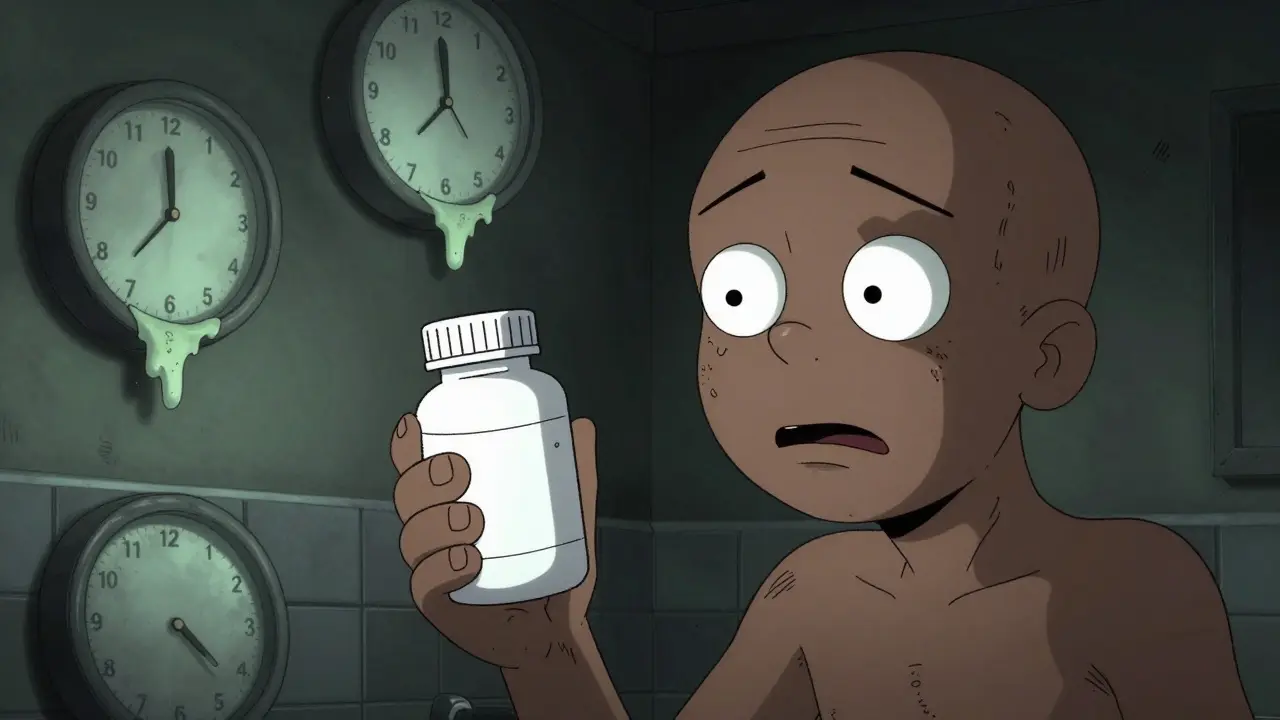
Imagine you're in the middle of a migraine, and you reach for your painkillers only to realize the bottle expired six months ago. Do you toss it and wait for a pharmacy run, or pop the pill anyway? It's a common dilemma that balances health risks against convenience and cost. The truth isn't a simple yes or no; it depends entirely on what the medication is, how it was stored, and how critical it is to your immediate health. While the official stance from regulators is strict, real-world data suggests a more nuanced picture regarding safety and effectiveness.
What the Expiration Date Actually Means
When you see a date on a prescription bottle, it isn't a cliff edge where the medicine suddenly turns toxic. Instead, it marks the final day a pharmaceutical manufacturer guarantees the drug's full potency, purity, and safety when stored under specified conditions. This requirement comes from the U.S. Food and Drug Administration (FDA), specifically the Expiration Dating Law enacted in 1979. Manufacturers conduct rigorous stability testing protocols to determine this timeframe. They test products under various environmental stressors, including temperature fluctuations and humidity levels, to simulate real-world storage conditions.
Think of the expiration date as a warranty period. Once that date passes, the manufacturer is no longer legally responsible for the product's performance. However, this doesn't automatically mean the drug has degraded to the point of harm. The date reflects the period when a product is known to remain stable within approved specifications for identity, strength, quality, and purity. According to the FDA's 2023 guidance, expiration dates are determined through accelerated and long-term stability studies. This means the date is conservative, designed to ensure safety under a wide range of potential storage scenarios, not just the ideal ones.
The Military Data vs. Official Rules
Here is where things get interesting. There is a significant discrepancy between the strict FDA warnings and data from a classified military initiative known as the Shelf Life Extension Program (SLEP). This program tested stockpiled medications to see if they could be used during emergencies. The findings were surprising: 90% of 122 drug products tested maintained stability 15 years or more past their expiration dates. This data suggests that many solid medications remain safe and effective long after the printed date.
Despite this, the FDA maintains a strict position that using expired medicines is risky and possibly harmful to health. They do not apply the SLEP data to civilian medication use because the military tests drugs under controlled, monitored conditions that most people don't replicate at home. The current regulatory framework establishes that once a medication passes its labeled expiration date, there is no guarantee of safety or efficacy. Manufacturers are legally prohibited from guaranteeing product performance beyond this date regardless of actual stability. So, while the science suggests many drugs last longer, the legal and clinical standard requires replacement.
High-Risk Medications You Should Never Use
Not all drugs degrade the same way. Some are stable for years, while others lose effectiveness rapidly or even become dangerous. Technical analysis reveals significant variation in degradation patterns across medication types. Solid dosage forms like tablets and capsules typically maintain stability longest. However, life-critical medications must never be used beyond expiration due to potentially fatal consequences from sub-potency.
Consider Insulin. It loses approximately 10% potency per month after opening even when refrigerated, with significant structural degradation occurring within 28 days. Using old insulin can lead to uncontrolled blood sugar levels, which is a medical emergency. Similarly, Epinephrine Auto-injectors (EpiPens) experience 20-30% potency loss within 6 months of expiration. If you rely on one for a severe allergic reaction, that loss could mean the difference between life and death. Nitroglycerin tablets degrade by 50% within 3 months of bottle opening regardless of expiration date, making them unreliable for chest pain.
There is also a specific toxicity risk with certain antibiotics. Tetracycline antibiotics degrade into toxic epianhydrotetracyclines, which can cause Fanconi syndrome, a form of acute kidney failure. Documented cases were reported in the Journal of the American Medical Association as recently as 2019. This is a rare but serious exception where the drug itself becomes harmful rather than just ineffective. For these reasons, you should always replace insulin, EpiPens, nitroglycerin, and antibiotics immediately upon expiration.
| Medication Type | Risk Level | Primary Concern | Recommended Action |
|---|---|---|---|
| Insulin | High | Potency loss (10%/month) | Replace immediately |
| EpiPen | High | Potency loss (20-30% in 6 months) | Replace immediately |
| Nitroglycerin | High | Rapid degradation (50% in 3 months) | Replace immediately |
| Tetracycline | High | Toxicity (Kidney failure) | Never use expired |
| Ibuprofen/Acetaminophen | Low | Minor potency loss | Safe for short-term minor use |
| Liquid Antibiotics | High | Contamination & Efficacy | Replace immediately |
How Storage Conditions Impact Safety
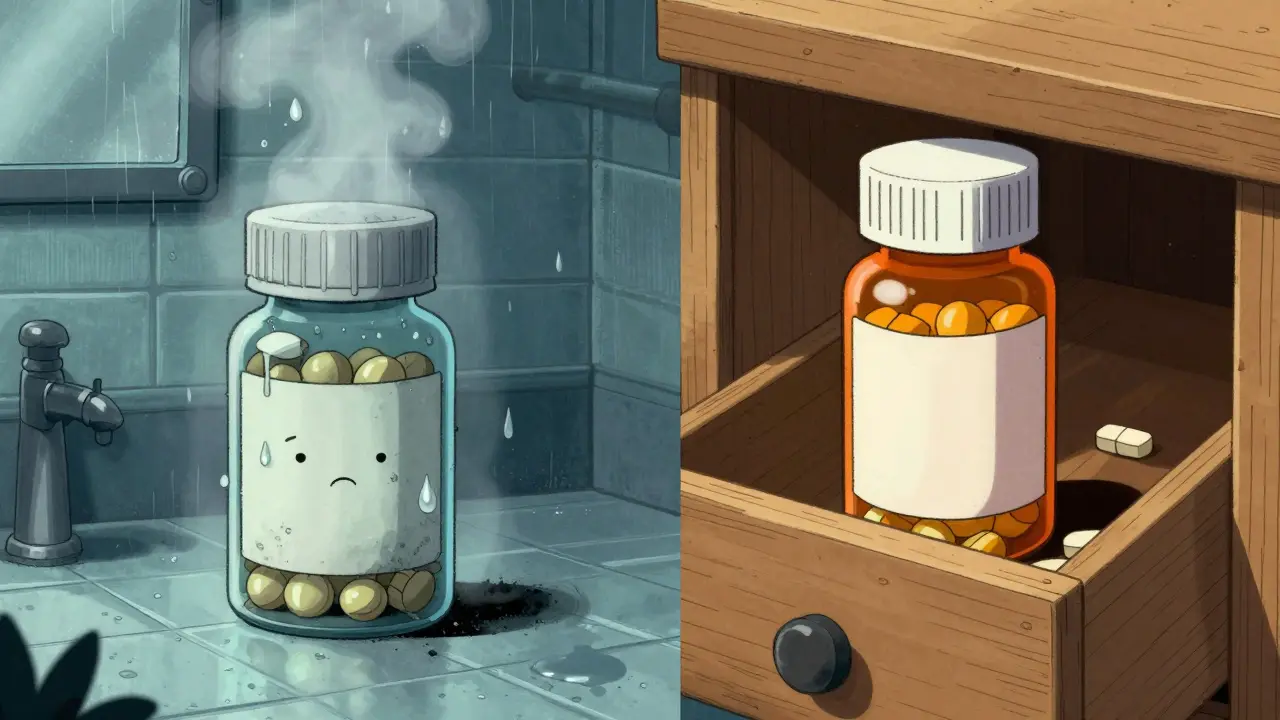
Even if a medication hasn't expired yet, where you keep it matters just as much as the date. Storage conditions critically impact degradation rates. Medications stored in bathroom cabinets experience 40% faster degradation due to humidity fluctuations from showers and baths. The moisture in the air breaks down the chemical bonds in the pills faster than intended. Those exposed to temperatures above 86°F (30°C) show accelerated molecular breakdown.
Liquid antibiotics are particularly sensitive. Studies show they lose 50% potency within 72 hours at 104°F (40°C). If you've left your medicine in a hot car or a sunny window sill, the expiration date is irrelevant because the drug has already degraded. Conversely, keeping drugs in original containers with childproof caps secured in cool, dry places (below 77°F/25°C) extends usability. Amber glass containers provide 40% better light protection than standard plastic prescription bottles. Pharmacists universally recommend checking medications quarterly, with particular attention to emergency medications like EpiPens that should be replaced immediately upon expiration due to rapid potency decline.
Proper Disposal: Don't Just Flush It
Once you decide a medication is too old to keep, you need to dispose of it safely. Throwing pills in the trash or flushing them down the toilet can have serious environmental consequences. The FDA's preferred disposal method is through registered drug take-back locations. There are over 14,000 authorized collection sites nationwide, though accessibility varies. When take-back options are unavailable, the FDA recommends specific home disposal protocols to prevent accidental ingestion by children or pets.
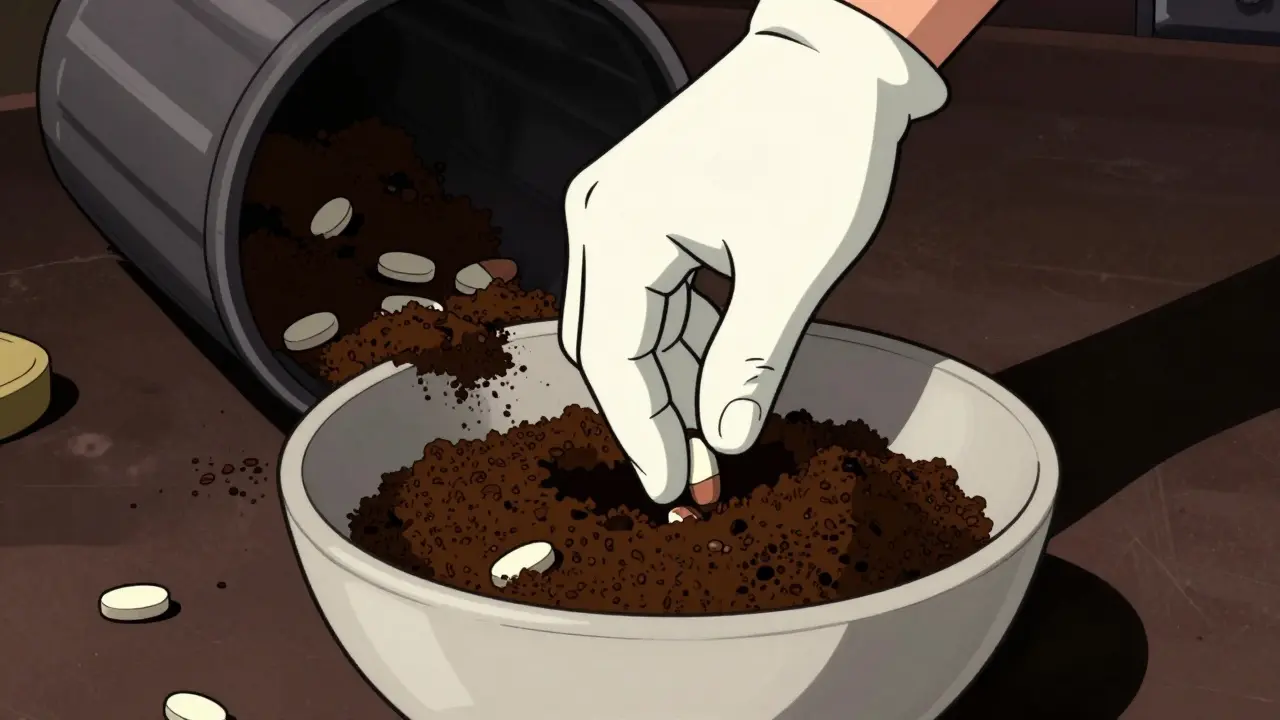
To dispose of meds at home, remove them from their original containers and mix them with undesirable substances like coffee grounds or cat litter in a 2:1 ratio. Place this mixture in a sealed container and discard it on trash collection day. You must also obscure personal information on the prescription label before throwing away the empty bottle. Critically, only 15 specific medications should be flushed per the FDA's Flush List. These include dangerous opioids like oxycodone and fentanyl patches, where the risk of overdose from someone finding them in the trash outweighs the environmental concerns. For most other drugs, the trash method is safer for the water supply.
When to Use Expired Meds in an Emergency
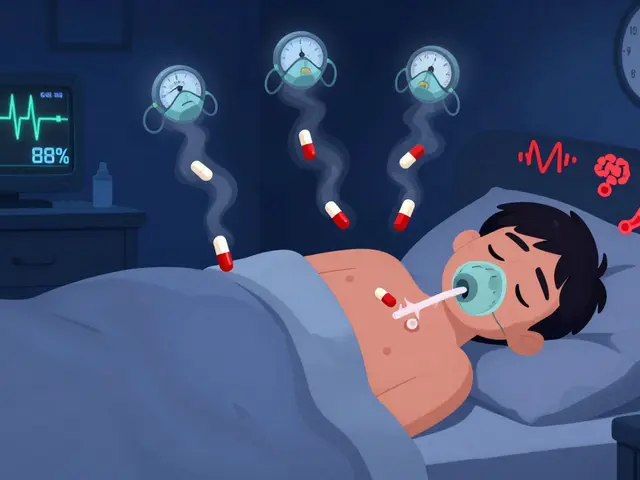
There is a grey area in emergency medicine. If you are facing a life-threatening situation and have no other option, using an expired medication is often better than nothing. Emergency medicine specialists provide crucial guidance: for severe allergic reactions, asthma attacks, or chest pains, while expired medications like epinephrine, albuterol, and nitroglycerin may have lost some effectiveness, it is better to take these expired medications than nothing at all. However, patients should immediately go to the emergency department afterward.
For minor aches and pains, the American Medical Association acknowledges contextual exceptions. It is generally considered fine to use an over-the-counter medicine that expired a couple of months ago until you can replace it. However, for physician-recommended daily aspirin for heart health, the expired pills should be replaced as soon as possible. The margin for error is too small with heart medication. Dr. Sarah Reissig, a clinical pharmacist, explains the scientific rationale: most medications lose effectiveness over time due to changes in chemical composition, but for minor issues, the risk is low. The key is knowing your medication type and the severity of your condition.
Frequently Asked Questions
Can expired medication kill you?
In most cases, expired medication will not kill you, but it may not work as intended. The primary risk is treatment failure, especially with antibiotics or life-saving drugs like insulin. However, specific drugs like tetracycline can degrade into toxic compounds that cause kidney failure, which can be fatal if untreated.
How long is medication good for after expiration?
There is no single answer. Solid tablets like ibuprofen may retain 90% potency for up to 5 years post-expiration under ideal storage. Liquids and biologics degrade much faster, sometimes within months. The FDA does not recommend using any medication past its date, but stability data suggests many solids remain safe for years.
What happens if I take an expired pill?
Most likely, nothing will happen, or the drug will be less effective. You might not get the full relief from painkillers, or an antibiotic might not fully clear an infection. If the drug has degraded into a toxic form (rare, mostly tetracycline), you could experience side effects like nausea or kidney stress.


Reviews
It is absolutely reckless to ignore the expiration dates printed on your medication bottles. People act like they know better than the FDA when they do not. You are putting yourself at risk for serious health complications just to save a few dollars. The military data is irrelevant to your average household storage conditions. You do not have a climate controlled bunker for your insulin or antibiotics. Ignoring these rules is just selfish negligence on a grand scale. Your health is not something to gamble with based on internet rumors. The manufacturers know the chemistry better than you ever will. Stop trying to justify cutting corners on life saving treatments. It is time people took responsibility for their own safety protocols.
The information presented regarding the Shelf Life Extension Program is quite fascinating indeed. However, one must respect the legal boundaries set by regulatory bodies for public safety. It is prudent to follow the manufacturer guidelines to ensure optimal therapeutic outcomes. Storage conditions in a typical home environment vary significantly from military stockpiles. Therefore, adherence to the labeled expiration date remains the most sensible course of action. Proper disposal methods are also critical to prevent environmental contamination. We should all prioritize accuracy over convenience when it comes to pharmaceuticals.
The pharmaceutical industry relies on fear to keep you buying new bottles every single year. They claim the drugs turn toxic but most of them just lose potency slowly. This is a classic case of corporate greed disguised as safety regulation for the common man. The military can use pills for fifteen years so you should be able to use them for one year. The FDA is just protecting the profits of the big drug companies from competition. They want you to throw away perfectly good medicine that still works just fine. It is a waste of resources to toss pills that are chemically stable. The expiration date is a warranty not a cliff edge for your life. People are being told to panic over dates that mean nothing in reality. The real danger is the cost of healthcare not the date on the bottle. You should trust your own judgment over a printed number on plastic. The system is designed to make you dependent on constant purchases. Ignoring the date does not make you a criminal or a fool. It makes you someone who understands the actual chemistry involved. Stop listening to the propaganda and look at the stability data yourself.
its just wrong to waste good meds when people need them tho
exactly the companies just want our money 💸🙄 why listen to them when the science says its fine 😂
It is essential to approach this topic with a balanced perspective on safety and efficacy. We must acknowledge the differences between controlled testing environments and domestic storage. Cultural attitudes towards waste and health vary but safety should be universal. The guidance on disposal is particularly important for environmental stewardship. One should always consult a pharmacist before making decisions on critical medications. Respect for the guidelines ensures the well-being of the entire community. We must prioritize health over convenience in all matters regarding medicine.
This article really clears up a lot of confusion about storage conditions.
You need to check your bathroom cabinet right now and throw out the old stuff. Humidity ruins everything and you do not even realize it is happening. Stop being lazy and protect your family from potential harm. The rules exist for a reason and ignoring them is dangerous. Do not let your negligence put someone else at risk.
Most people simply lack the intellectual capacity to understand degradation chemistry. It is amusing how the masses follow rules without question while the elite know better. Only those with proper education can navigate these nuances effectively. The rest of you should just stick to the rules like good little citizens. Do not pretend you understand the science when you do not. Your ignorance is a liability to the collective health standards. We must maintain high standards for those who can afford them.
i think its just about being careful not about being smart
The concept of expiration is fundamentally tied to the passage of time and chemical entropy. Every molecule degrades at a specific rate determined by environmental factors. We must consider the philosophical implications of labeling a substance as useless after a date. The binary nature of expiration dates ignores the continuum of stability. Safety is a spectrum rather than a fixed point in time. The regulatory framework attempts to simplify this complexity for public consumption. However, simplification often leads to misunderstanding of the underlying principles. One must weigh the risk of degradation against the risk of untreated illness. The moral obligation to follow rules conflicts with the practical need for access. This tension defines the modern approach to pharmaceutical management. We live in an era where convenience often overrides caution. The data suggests that stability persists longer than the labels indicate. Yet the legal liability prevents manufacturers from admitting this fact. We are left with a system that prioritizes protection over truth. Ultimately, the decision rests on individual risk tolerance and knowledge.
Pharmacokinetics dictate the stability profile and bioavailability is key here. You need to monitor the therapeutic window carefully. Clinical efficacy drops off when the half life changes significantly. Adhere to the protocol for optimal patient outcomes. Do not compromise on the pharmacodynamic parameters.
OMG this is so scary i never knew tetracycline could kill you 😱😱 it is crazy nobody tells us this stuff earlier