
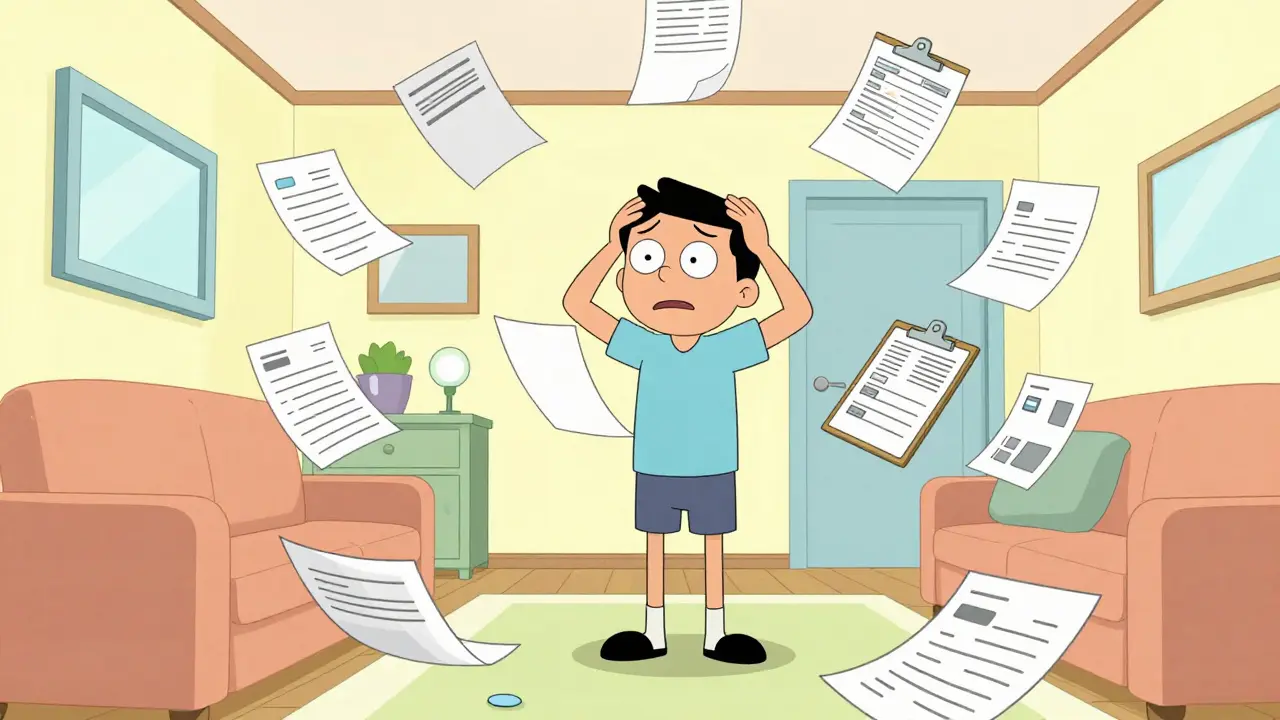
Leaving the hospital is often a whirlwind of paperwork, relief, and a bit of confusion. You've spent days or weeks in a clinical setting where nurses handled your meds, but now you're back home and the responsibility shifts. Here is the scary part: studies show that between 30% and 70% of patients experience medication discrepancies during this transition. Whether it's a dose that changed without a clear note or a long-term pill that was stopped during your stay and forgotten, these gaps can lead to serious health setbacks or an immediate trip back to the ER.
Getting your medication plan right isn't just about following a list; it's about a process called medication reconciliation post-discharge is a formal healthcare process where your current medication list is compared against the medications prescribed during your hospital stay to resolve any differences. Also known as NQF 0097, this step is designed to catch harmful omissions before they cause a crisis. If you or a loved one are heading home, you need a strategy to ensure the handoff between the hospital and your primary doctor is seamless.
The Critical First 30 Days
The window immediately following your discharge is the highest risk period. Data from the Agency for Healthcare Research and Quality (AHRQ) indicates that these discrepancies contribute to up to 50% of medication errors post-discharge. The goal is to have a professional review your meds within 30 days. Why 30 days? Because that is the timeframe where most "restart" errors happen-like forgetting to put a patient back on a blood thinner (anticoagulant) that was paused for surgery.
You generally have two paths for this review. Some providers perform a standalone reconciliation, which can happen over the phone or via a patient portal. Others schedule a formal "Transitions of Care" (TRC) visit. While the phone call is faster, an in-person TRC visit allows the doctor to physically see your pill bottles, check for expired meds, and observe any side effects you might be experiencing in real-time.
Building Your Master Medication List
Don't rely on the hospital's discharge summary alone. These documents can sometimes contain typos or omit over-the-counter (OTC) supplements. To coordinate effectively, you need a "source of truth" list. This should include every single thing you put in your mouth, including:
- Prescription medications (including dosage and frequency)
- Over-the-counter painkillers or allergy meds
- Vitamins and mineral supplements
- Herbal teas or extracts
- Topical creams, eye drops, and ointments
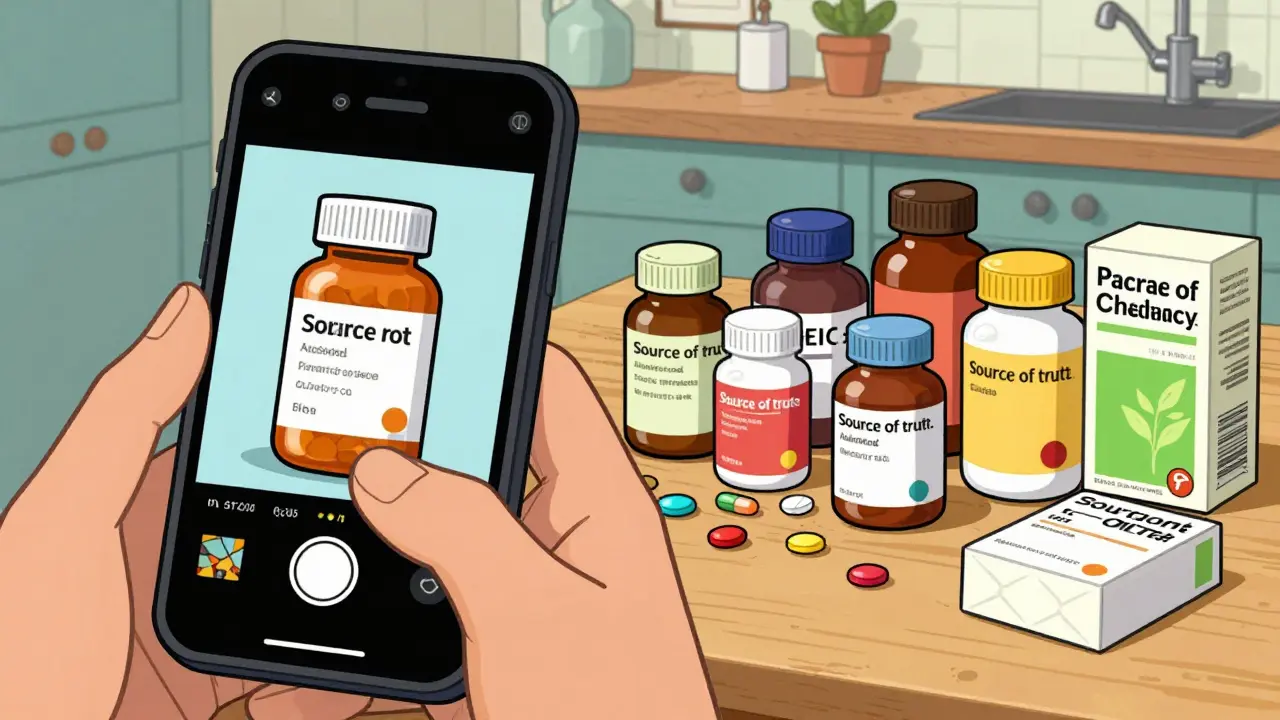
A pro tip for caregivers: Take photos of the actual pharmacy labels of the new medications provided at discharge. When you meet with your primary doctor, showing the label is far more accurate than trying to remember the name of a drug that looks like a string of random letters.
Who Should Lead the Coordination?
While your primary care physician (PCP) is the usual point of contact, the type of professional leading the reconciliation matters. Recent research in the Journal of the American College of Clinical Pharmacy found that pharmacists are often more effective at this than doctors or nurses. Pharmacist-led reconciliation resulted in about 32.7% fewer discrepancies. This is because pharmacists are specifically trained to spot drug-drug interactions that might occur when a new hospital medication clashes with a long-term home medication.
If your insurance or health plan offers Medication Therapy Management (MTM), use it. Having a pharmacist review your a total regimen-not just the new meds-creates a safety net that prevents the "silo effect," where a specialist only looks at one organ system and misses the bigger picture of your overall health.
| Approach | Method | Pros | Cons |
|---|---|---|---|
| Standalone Reconciliation | Phone/Portal/Email | Convenient, fast, no travel | No physical check of pills |
| Transitions of Care (TRC) Visit | In-person Appointment | Comprehensive physical exam | Requires scheduling and travel |
| Pharmacist-Led Review | Pharmacy/Clinic Consult | Highest accuracy in spotting errors | May require separate appointment |
Red Flags and Common Pitfalls
Coordination fails most often when communication is fragmented. You might notice your primary doctor is unaware of a change made by a hospital specialist. Be on the lookout for these common danger zones:
- The "Double Dose" Trap: You are prescribed a new version of a drug but keep taking the old version because the discharge papers didn't explicitly say "STOP taking X."
- The Omission: A medication used for a chronic condition (like blood pressure) was stopped during your stay to save your kidneys or heart, but no one told you to restart it.
- The Pharmacy Gap: The hospital sends a script to one pharmacy, but you usually use another, leaving you without a critical dose for several days.
To avoid these, ask the hospital staff: "Which of my home medications should I NOT start again?" and "Which new medications replace my old ones?" Getting these answers in writing before you leave the building is a game-changer for your safety.
Practical Steps for a Safe Transition
To ensure your medication reconciliation post-discharge is successful, follow this checklist during your first week home:
- Compare Lists: Lay your old medication list and your new discharge list side-by-side. Highlight anything that is different.
- Verify with Pharmacy: Call your pharmacist and ask them to check for interactions between the new hospital meds and your existing prescriptions.
- Schedule the Follow-up: Ensure you have an appointment with your primary provider within 7 to 14 days.
- Bring the Bottles: Pack every single medication bottle (including vitamins) into a bag and take them to your appointment. Do not bring a handwritten list alone.
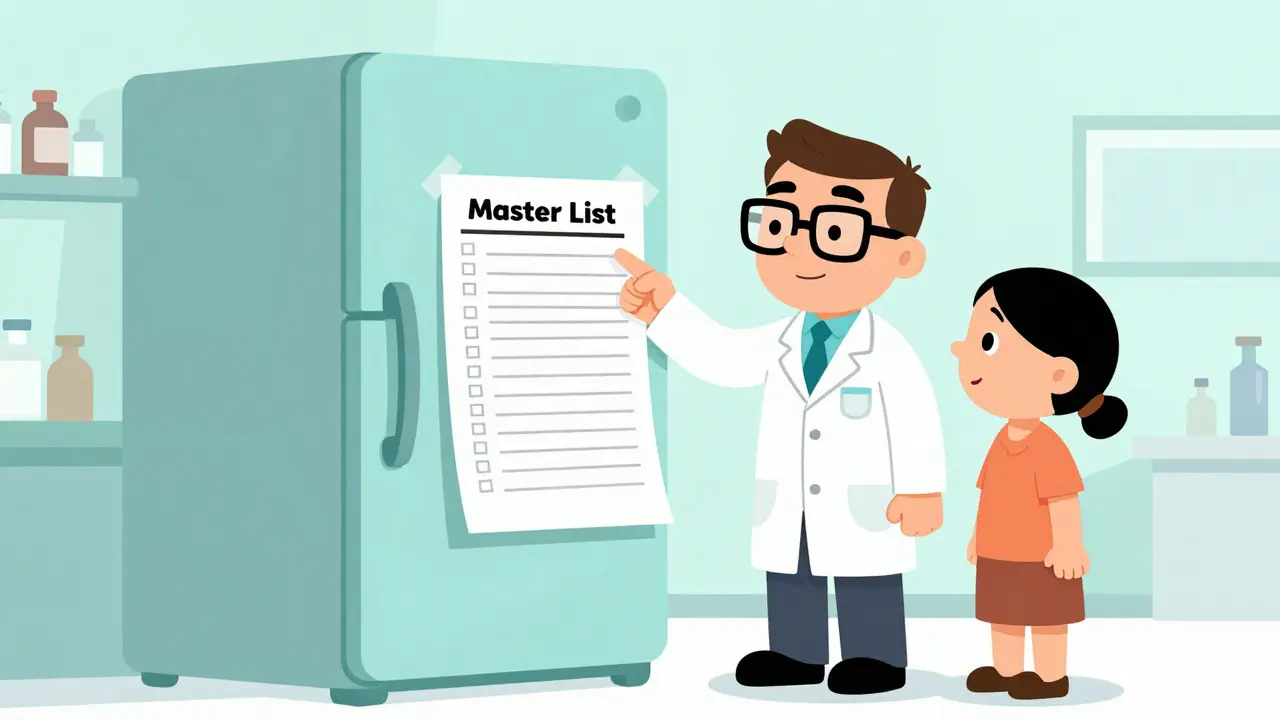
- Confirm the Plan: Before leaving the doctor's office, ask them to sign off on a final "Master List" that you can tape to your refrigerator.
If you feel overwhelmed, remember that you can advocate for a multidisciplinary approach. Asking for a pharmacist's input or using an electronic health record (EHR) portal to message your doctor can bridge the gap when you can't get an appointment immediately. The goal is simple: zero discrepancies between what the hospital thought you needed and what you are actually taking at home.
What happens if I find a mistake in my meds after leaving the hospital?
Contact your primary care provider or the discharging hospital's pharmacy immediately. Do not stop or change your dose without professional guidance, but do not take a medication you suspect is an error until you get a confirmation. Have your discharge papers and the pill bottle ready to describe exactly what is confusing you.
Why is a pharmacist better for this than a regular doctor?
Pharmacists specialize in pharmacology and drug interactions. While doctors focus on the diagnosis and treatment plan, pharmacists focus on the chemistry. Studies show they are more likely to identify discrepancies and prevent adverse drug events because they have a deeper focus on the "how" and "when" of medication administration.
Does insurance cover the Transitions of Care (TRC) visit?
Yes, many insurance providers and Medicare cover TRC visits (using CPT codes like 99495 or 99496) because they significantly reduce the chance of hospital readmission. However, billing rules usually only allow one such visit per discharge episode, so it is important to coordinate which provider (PCP or specialist) handles the reconciliation.
Should I include vitamins and herbal supplements in my list?
Absolutely. Many supplements can interfere with hospital medications. For example, some herbal supplements can thin the blood or affect how your liver processes prescription drugs, which could lead to dangerous interactions or reduced efficacy of your treatment.
How long does the reconciliation process take?
The formal quality window is 30 days post-discharge, but the actual review usually takes 15 to 30 minutes during a clinic visit or a detailed phone call. The most important thing is that it happens as soon as possible after you arrive home to prevent any gaps in care.




Reviews
This is such a helpful guide for anyone feeling lost after a hospital stay. It really takes a load off your mind knowing there's a system in place to keep things safe!
The obsession with these rigid 30-day windows is typical of a system that prioritizes metrics over actual human healing. We treat health like a checklist, forgetting that the mind and body don't operate on a corporate calendar. It's an interesting approach, I suppose, but fundamentally flawed in its reductionist nature.
Everyone knows the hospital summaries are garbage. Just use a spreadsheet from day one and you won't have these problems.
The pharmacies are all connected to the same database for a reason. They want to track exactly what we're taking. Total surveillance state under the guise of "patient safety." Wake up!
It is frankly embarrassing that the average patient requires a "guide" to manage basic medication. However, given the staggering incompetence of the current healthcare infrastructure, I suppose some level of hand-holding is necessary for the masses who cannot grasp simple coordination.
there is a certain peace in the act of bringing all those bottles to a clinic visit it turns a clinical transaction into a moment of truth where we confront the physical reality of our ailments
I love the idea of the Master List on the fridge!!! 📝✨ It's such a simple way to bring everyone on the same page and keep the vibes positive and safe!!! ❤️😊
I've spent years helping elderly parents navigate these systems, and I've found that the most important part isn't actually the list itself, but the patience we show the medical staff who are often completely burnt out. When you approach a pharmacist with a spirit of collaboration rather than demand, you often find they are willing to go far beyond the standard 15-minute consult to really dig into the drug-drug interactions, which is where the real magic of patient safety actually happens in the real world, far beyond what any hospital checklist can provide.
It is simply tragic that some people lack the basic discipline to maintain their own health records...!!! One would think that adulting includes the ability to read a discharge summary without needing a tutorial...!!! How utterly exhausting for the providers...!!!
YES!!! This is exactly what we need to be doing!!! Total organization is the key to a fast recovery!!! Let's all stay proactive and get those lists signed off!!!
Excellent advice. Please contact your pharmacist immediately if you find any errors. Your health is the priority!