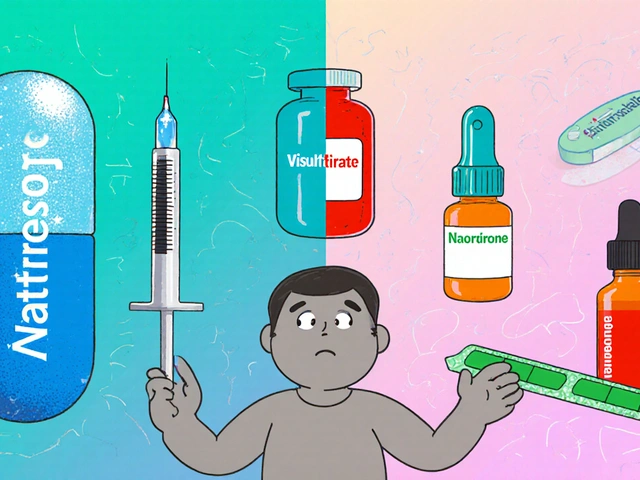
Imagine you're halfway through a dream vacation in the Caribbean when you realize you've run out of your blood pressure medication. Or maybe a sudden ear infection hits while you're sailing toward the Mediterranean. Your first instinct is to head to the ship's medical center, thinking of it as a floating pharmacy. But here is the reality: most cruise ship medical centers is a limited-service infirmary designed for stabilization and minor ailments, not a full-service hospital or pharmacy. If you rely on these facilities for prescriptions, you might face steep prices, limited stock, and a lot of stress.
The Reality of the Ship's Infirmary
Before you step on board, you need to shift your perspective. As the World Health Organization has pointed out, these facilities are infirmaries. They are staffed by licensed physicians and nurses, but they aren't specialists. Most ship doctors are general practitioners. Their primary goal is to stabilize passengers during life-threatening emergencies or treat common travel issues like norovirus, influenza, or motion sickness.
Because space is at a premium on a ship, the pharmacy isn't a retail store. It's a controlled inventory. While larger ships carry a wider variety of medications, the depth is shallow. You'll find plenty of antacids, basic antibiotics, and cardiac life support drugs, but specialty medications-especially narcotics-are kept in extremely small quantities and are usually reserved for dire emergencies. If you have a complex chronic condition, the ship's medical center is not a reliable backup for your pharmacy.
What Medications Are Actually Available?
The inventory on a ship varies based on the vessel's size and the itinerary. According to the American College of Emergency Physicians (ACEP), ships must maintain certain "par levels" to ensure safety. Generally, you can expect to find medications in these categories:
- Gastrointestinal: Proton pump inhibitors, antispasmodics, and H2-receptor antagonists for stomach issues.
- Cardiovascular: Basic antihypertensives and antiarrhythmics to manage heart rate and blood pressure.
- Respiratory: Treatments for asthma or acute respiratory infections.
- Anti-infectives: Common antibiotics like beta-lactams and macrolides.
- Endocrine: Basic diabetes and thyroid medications.
| Service Feature | Traditional Cruise (e.g., Royal Caribbean) | Residential Cruise (e.g., Storylines) |
|---|---|---|
| Primary Focus | Emergency stabilization & common ailments | Long-term health management |
| Pharmacy Depth | Limited; focuses on basic needs | Comprehensive; high-grade supplementation |
| Compounding | Generally not available | Available for specialty needs |
| Prescription Lead Time | None (on-demand for emergencies) | 6-12 months prior to departure |
The True Cost of Shipboard Meds
If you do need a prescription while at sea, be prepared for "sticker shock." Most cruise lines don't publish a price list, but user data from Cruise Critic suggests a massive markup. You can expect to pay 200% to 300% more than you would at a retail pharmacy at home. For example, a dose of common antibiotics that costs $10 at a local drugstore might cost $35 on a ship. In some cases, the price is similar to buying the medication at a port pharmacy, but the convenience comes at a premium.
How to Prepare Your Own Medication Kit
The best way to navigate the ship's medical center is to never actually need it for a prescription. Most passengers who experience medication failures did so because they brought drugs in unmarked containers or underestimated their needs. To avoid this, follow these specific steps:
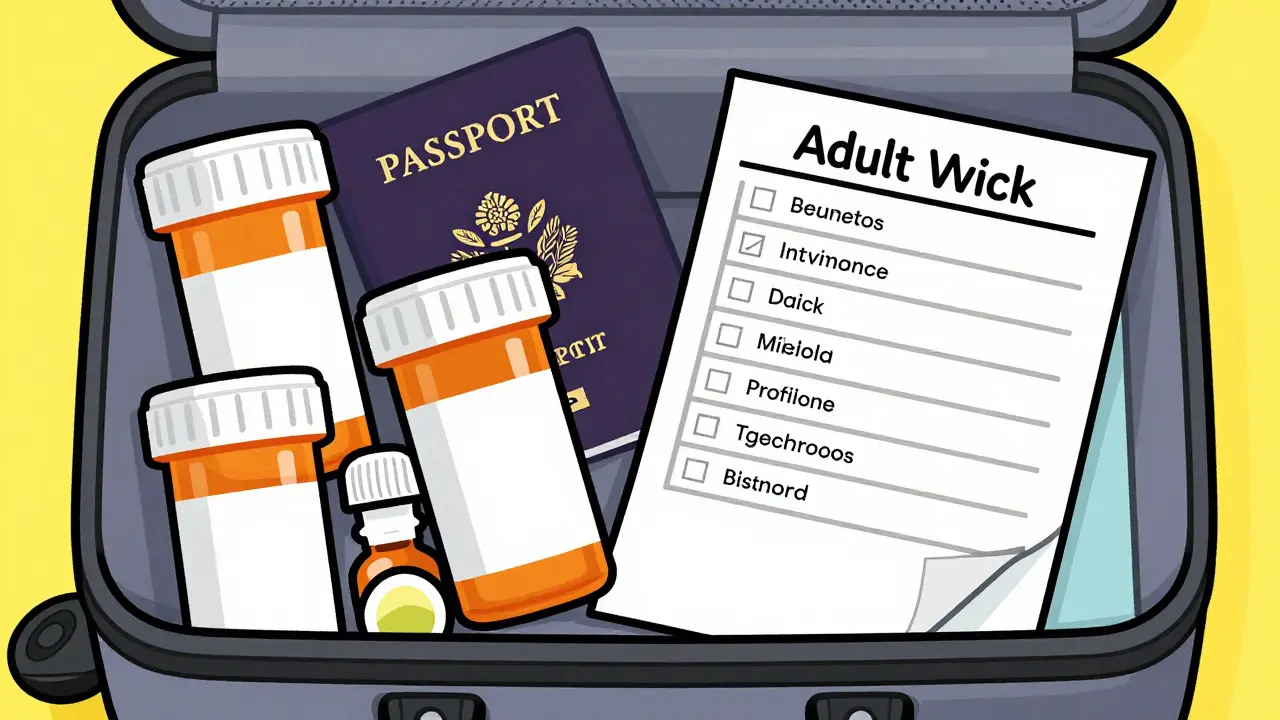
- Stick to Original Packaging: Bring all prescription medications in their original labeled bottles. Security is much more likely to question unlabeled pills, and ship doctors need to see the original prescription to verify the dosage if they have to intervene.
- Match Your Passport: Ensure the name on the bottle matches the name on your passport exactly. This is critical for international travel and customs checkpoints.
- Pack in Carry-on: Never put your essential meds in checked luggage. If your bag is delayed or lost, you are at the mercy of the ship's limited inventory.
- The "Buffer Rule": Pack enough medication to last 3 to 5 days beyond your scheduled return date. Itineraries change, flights get delayed, and storms happen. A 14-day cruise should have 17-19 days of medication.
- Document Everything: Carry a printed list of your medications, the exact dosages, and your prescribing doctor's contact information.
Special Considerations for High-Need Passengers
Certain medical needs require extra planning. If you use a CPAP machine, don't assume the ship provides the necessary accessories. You'll likely need to bring your own distilled water and an extension cord to ensure you have power near your bed. For those managing diabetes, always carry a doctor's note specifically authorizing your insulin and syringes to avoid issues during boarding.
If you require narcotics for pain management, be extremely cautious. These are the most restricted substances on any vessel. They are provided in minimal quantities and only in extreme, emergency cases. If you have a chronic pain condition, you must coordinate with your home doctor to ensure you have an ample, legal supply for the entire trip.
What to Do if You Run Out at Sea
If you find yourself in a pinch, your first move is to visit the medical center during their operating hours (usually 8 AM to 10 PM). Be prepared to provide your medical history and the exact name of the drug. If the ship doesn't stock it, ask about telemedicine. Some modern fleets, such as those operated by Royal Caribbean, now allow remote consultations with shore-based specialists to help manage complex medication needs.
If the ship cannot help, your next option is a port pharmacy. However, this is risky. Port pharmacies may be closed due to local holidays or weather delays. If you are in a remote area, the ship's doctor may have to arrange a medical evacuation or a shore-side delivery, which is incredibly expensive and time-consuming.
Can I get a prescription refill on a cruise ship?
It depends on the medication. Ship medical centers stock common drugs (like certain antibiotics or blood pressure meds), but they are not full pharmacies. If they don't have your specific brand or dose, they cannot order it from outside. Always bring more than you need.
Are medications in the ship's medical center free?
Generally, no. While some items like basic seasickness pills might be complimentary, prescription medications are billed to your onboard account, often at a significant markup compared to home prices.
Do I need to declare my medications at boarding?
Yes, it is highly recommended. Keep medications in original containers with labels that match your passport. This prevents delays at security and helps the ship's medical staff if you need emergency care.
What happens if I have a medical emergency and need specialized meds?
The ship doctor will stabilize you using the resources available. If the required medication isn't on board, they will coordinate with the nearest port to arrange a medical evacuation (medevac) to a shore-based hospital.
Can the ship doctor prescribe a new medication for me?
Yes, if you develop a new illness (like a sinus infection), the ship doctor can diagnose you and prescribe a medication from their available inventory.
Next Steps for Your Trip
Depending on your health needs, your preparation should differ:
- Casual Travelers: Pack a basic first-aid kit and a few extra doses of any over-the-counter meds you use regularly.
- Chronic Condition Patients: Schedule a doctor's visit 4 weeks before departure to request a "vacation override" for an extra 30-day supply of prescriptions.
- Residential Cruisers: If you're on a long-term vessel like Storylines, submit your specialty prescriptions 6 to 12 months in advance to utilize their compounding services.