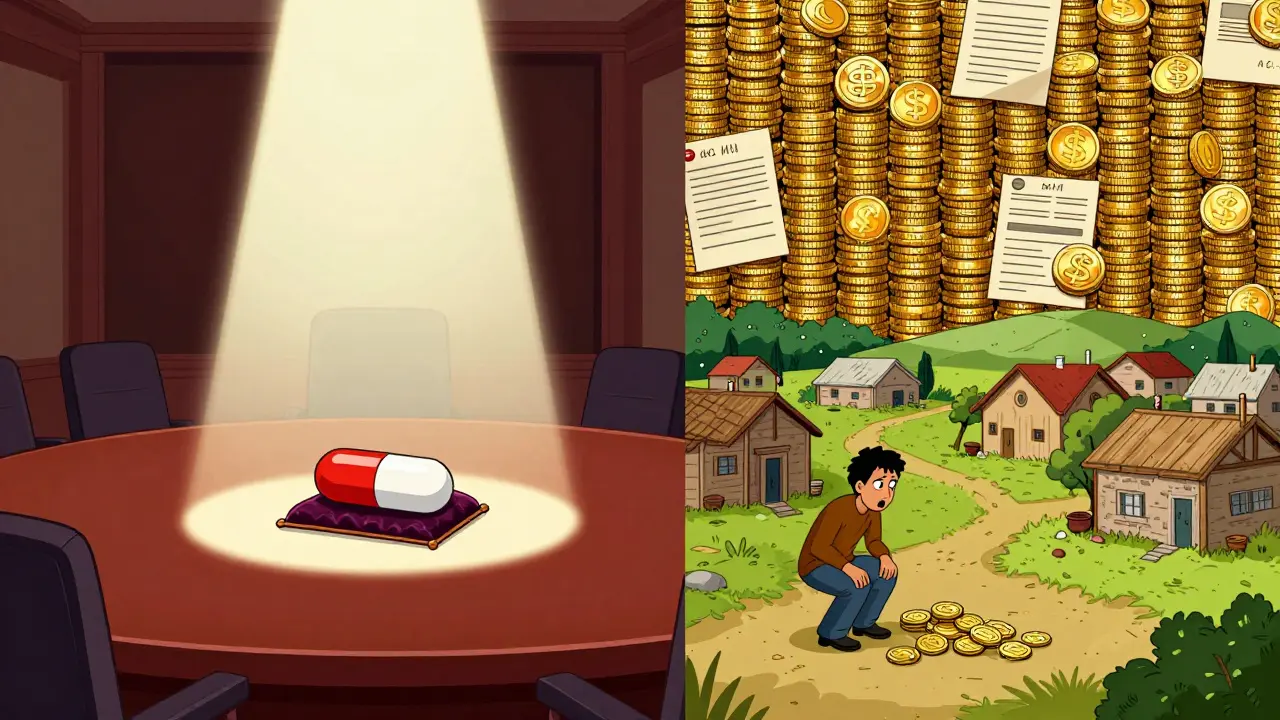
Imagine paying five days' worth of wages for a single course of antibiotics. For millions of people in the world's poorest regions, this isn't a hypothetical scenario-it's a daily reality. While the science to cure many deadly diseases exists, the bridge between a laboratory and a patient in a rural village is often blocked by a wall of high prices. This is where global health access through generic medicines becomes a literal lifesaver. When we talk about generics, we aren't talking about "cheap knock-offs," but about chemically identical versions of branded drugs that can slash costs by 80% or more, potentially turning a death sentence into a manageable condition.
What exactly are generic medicines?
To understand the impact, we first need to define the tool. Generic Medicines is a pharmaceutical product containing the same active ingredients as a branded drug but sold without patent protection. They are designed to be bioequivalent, meaning they work in the body the same way as the original. The modern path for these drugs started with the Hatch-Waxman Act in 1984 in the U.S., but it wasn't until the TRIPS Agreement in 1995 that developing nations gained the flexibility to enforce pharmaceutical patents differently to protect public health.
Why does this matter for a patient in a low-income country? Because patents grant companies a monopoly, allowing them to set high prices to recoup research costs. Generics break that monopoly. In the fight against HIV/AIDS, tuberculosis, and malaria, generics have been the primary engine allowing health systems to scale treatment from a few thousand people to millions.
The massive gap between potential and reality
On paper, generics are the perfect solution. In practice, the distribution is messy. According to the World Health Organization (WHO), roughly 2 billion people still can't access essential medicines. This is a heartbreaking statistic when you realize that generics could make these drugs affordable for almost everyone if the systems actually worked.
There is also a strange paradox in how generics are used. In the United States, unbranded generics make up about 85% of the market by volume. In low- and middle-income countries (LMICs), that number drops to a shocking 5%. Why the difference? It usually comes down to a lack of trust in quality, fear of forged medications, and a lack of government systems to verify that a generic is as safe as the brand name.
| Market Metric | United States (High Income) | LMICs (Low-Middle Income) |
|---|---|---|
| Unbranded Generic Volume Share | ~85% | ~5% |
| Typical Cost Reduction Potential | Varies by drug | Up to 80%+ |
| Primary Payment Method | Insurance/Public Pay | ~90% Out-of-Pocket |
The financial trap of out-of-pocket spending
In most developed nations, we don't think about the cost of a pill because insurance covers it. In developing nations, nearly 90% of people pay for their meds out-of-pocket. When medicine accounts for 20% to 60% of total health spending, a single illness can wipe out a family's savings. Data shows that about 100 million people are pushed into extreme poverty every year simply because they had to pay for healthcare.
This financial burden is compounded by government failure. In 2001, many African Union countries signed the Abuja Declaration, promising to spend 15% of their annual budgets on health. Fast forward to 2026, and only a handful of these countries-about 23 out of 54-have actually hit that target. When governments underfund health, the burden shifts to the poorest citizens, who then cannot afford even the cheapest generic options.
Who is actually providing the drugs?
If you look at the big players, the Access to Medicine Foundation tracks companies like Cipla, Sun Pharma, and Teva. These generic giants cover about 90% of the priority off-patent essential drugs needed in LMICs. However, having a drug "available" isn't the same as it being "affordable." Many of these companies lack specific strategies to help the absolute poorest patients-those who aren't just low-income, but uninsured and desperate.
On the other hand, some original brand companies like Pfizer and Novartis use "inclusive business models." They might offer the drug at a discount or through a licensing deal. While this sounds good, the reporting is often vague. We know they are active in over 100 LMICs, but we don't always have transparent data on exactly how many patients are actually receiving the treatment.
Systemic hurdles: More than just price
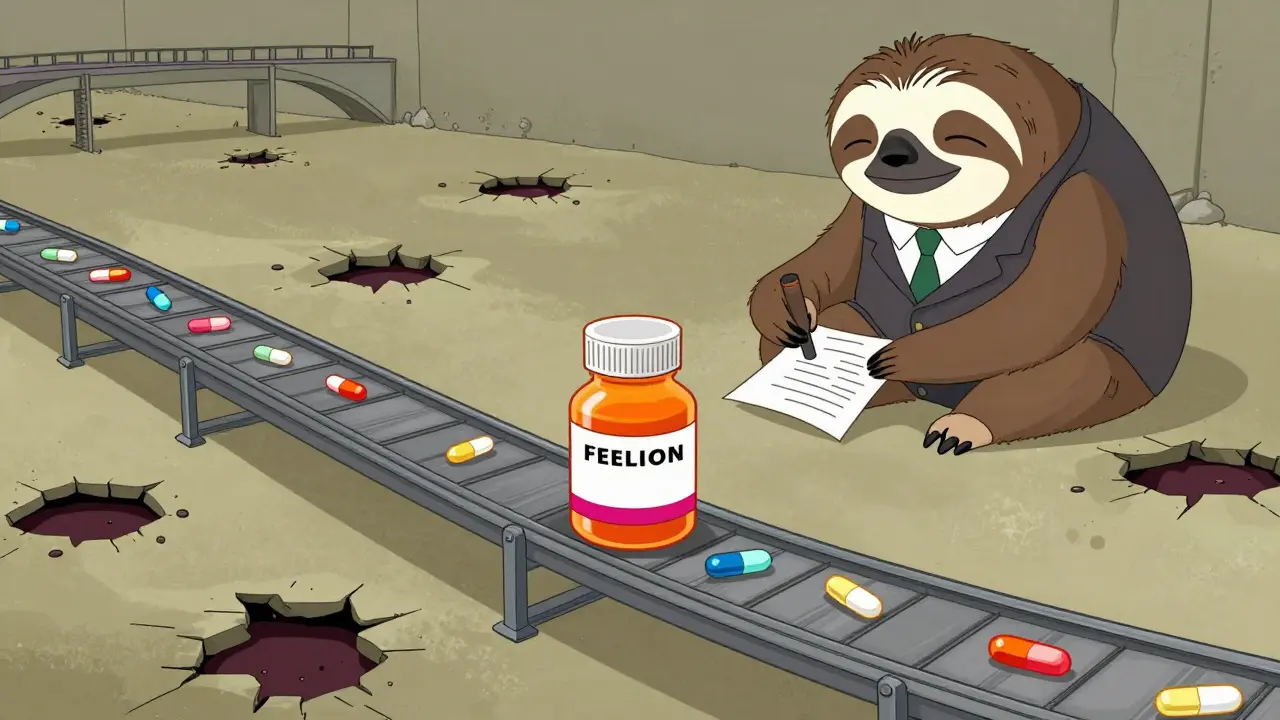
Lowering the price of a pill to a few cents doesn't help if there's no road to get the pill to the clinic. Infrastructure is a massive bottleneck. Poor supply chains mean medicines expire in warehouses or never reach rural areas. Furthermore, regulatory barriers often slow things down. If a country has a slow, bureaucratic drug approval process, a life-saving generic might sit on a dock for months while patients suffer.
There's also the issue of "data exclusivity" and extra patent safeguards. Some trade agreements force low-income countries to protect patent data longer than necessary, which blocks local manufacturers from producing generics. This effectively extends the monopoly of the original company, keeping prices high even after the main patent should have expired.
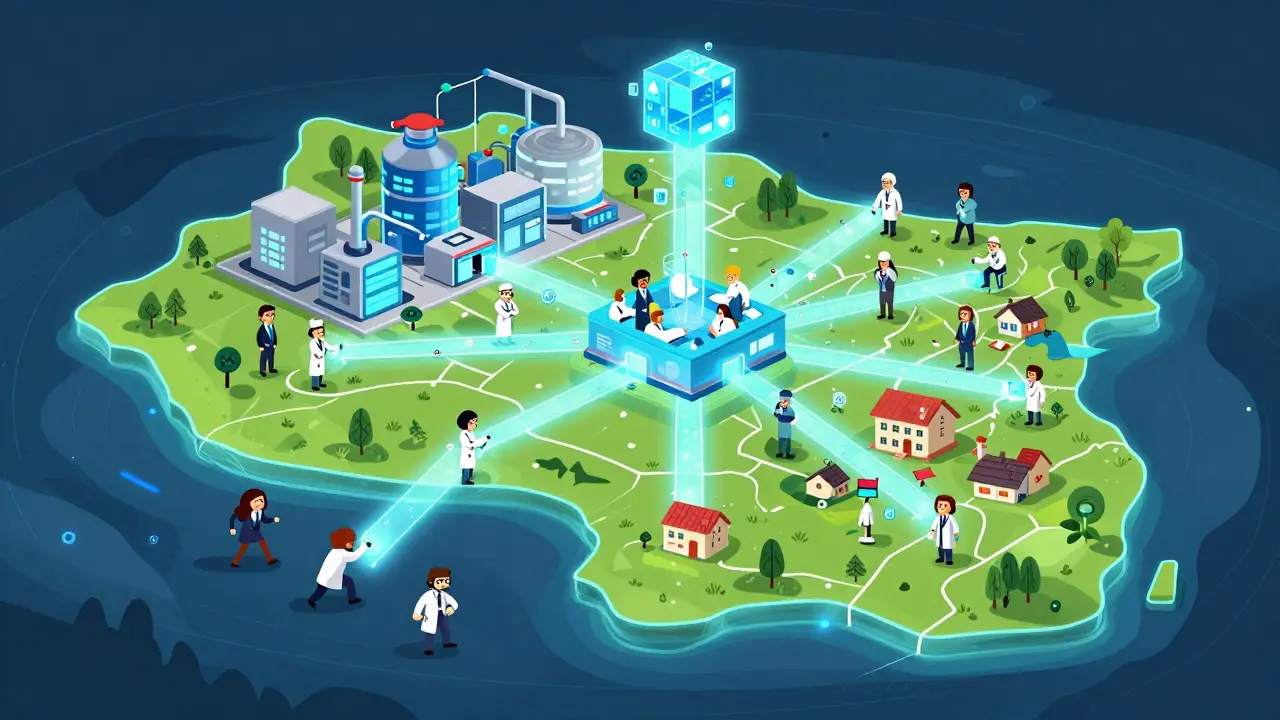
Paths toward a fairer system
So, how do we fix this? It isn't just about making drugs cheaper; it's about making the whole system leaner. Experts suggest several low-cost wins for governments:
- Killing Tariffs: Abolishing taxes and tariffs on imported essential medicines immediately lowers the cost for the end user.
- Speeding Up Approvals: Simplifying the drug approval process so generics can enter the market faster.
- Using Big Data: About 76% of healthcare organizations in emerging markets are now investing in big data to track where shortages happen and where demand is highest.
- Inclusive Research: Only 43% of clinical trials take place in LMICs. By moving research into these regions (like recent HIV prevention trials in Uganda), we ensure drugs are tested on genetically diverse populations and are more likely to be accessible there.
Ultimately, the goal is Universal Health Coverage. When a health system is funded by the state rather than the individual's pocket, the "affordability' problem becomes a "budgeting' problem, which is much easier to solve through political will and international cooperation.
Are generic drugs as safe as brand-name drugs?
Yes. To be approved, generics must prove they have the same active ingredients and perform the same way in the body as the original. The primary issue in low-income countries isn't the nature of generics themselves, but the prevalence of counterfeit or forged medicines that masquerade as generics.
Why are some generics still expensive in poor countries?
Price isn't the only factor. Import tariffs, high transportation costs due to poor roads, and middle-man markups in private pharmacies can drive up the cost. Additionally, some companies maintain high prices if there is no local competition to push them down.
What is the TRIPS Agreement?
The TRIPS Agreement (Trade-Related Aspects of Intellectual Property Rights) sets global standards for protecting intellectual property. Crucially, it includes "flexibilities" that allow developing countries to bypass certain patent rules during public health crises to produce or import cheaper generic versions of essential drugs.
How does the Abuja Declaration impact health access?
The 2001 Abuja Declaration was a pledge by African Union countries to allocate 15% of their annual budgets to health. When countries fail to meet this target, public health infrastructure remains weak, forcing patients to pay out-of-pocket and making them more vulnerable to price spikes.
Can generics help with pandemics?
Absolutely. Generics allow for the rapid scaling of treatment. As seen with HIV/AIDS, once generic versions of antiretrovirals became available, the cost plummeted, and the number of people receiving treatment grew from a few thousand to millions globally.
What happens next?
If you're a policymaker or health worker in an affected region, the focus should shift toward regulatory harmonization. When neighboring countries agree on the same standards for drug approval, it's easier for manufacturers to supply the whole region, increasing competition and lowering prices.
For those in the private sector, transparency is the next big hurdle. We need to move beyond "inclusive models" that look good in a corporate brochure and move toward public databases that show exactly which drugs are reaching which villages. The technology is there-big data and blockchain logistics can track a pill from the factory to the patient, ensuring it's authentic and affordable.