
Team-Based Care: How Doctors, Pharmacists, and Nurses Work Together for Better Health
When you see your doctor, you’re not just talking to one person—you’re part of a team-based care, a coordinated model where multiple healthcare professionals work together to manage your health. Also known as collaborative healthcare, it means your doctor, pharmacist, nurse, and sometimes even a social worker all share information and decisions so you get the right treatment at the right time. This isn’t just a buzzword. It’s how real patients get safer meds, fewer hospital visits, and more answers.
Think about it: your doctor prescribes a drug, but your pharmacist catches that it interacts with another medicine you’re taking. Your nurse notices you’re skipping doses because the pill schedule is too complicated. Together, they adjust your plan before you end up in the ER. That’s team-based care in action. It’s especially powerful for people with chronic conditions like diabetes, heart disease, or depression—conditions that need constant attention. Studies show these teams reduce hospital readmissions by up to 30% and cut medication errors by nearly half. And it’s not just about drugs. It’s about making sure you understand your treatment, can afford it, and actually stick with it.
Pharmacists are no longer just the person handing out pills. In team-based care, they’re active members who review all your meds, check for duplicates or dangerous combos, and even call your doctor to suggest a cheaper or safer option. Nurses help you track symptoms, remind you about appointments, and teach you how to use your inhaler or insulin pen correctly. And your doctor? They focus on the big picture, knowing the team has your back on the details. This kind of coordination is why patients who get team-based care report feeling more heard, less confused, and more in control.
You’ll find posts here that show how this model connects to real-life situations: how team-based care helps older adults avoid dangerous drug combinations listed in the Beers Criteria, how community clinics use it to get free meds to uninsured patients, and how switching from brand to generic drugs becomes safer when pharmacists and nurses are part of the decision. You’ll also see how medication lists, patient education, and even pill splitting safety all tie into this system. It’s not about one expert knowing everything—it’s about the whole team knowing you.
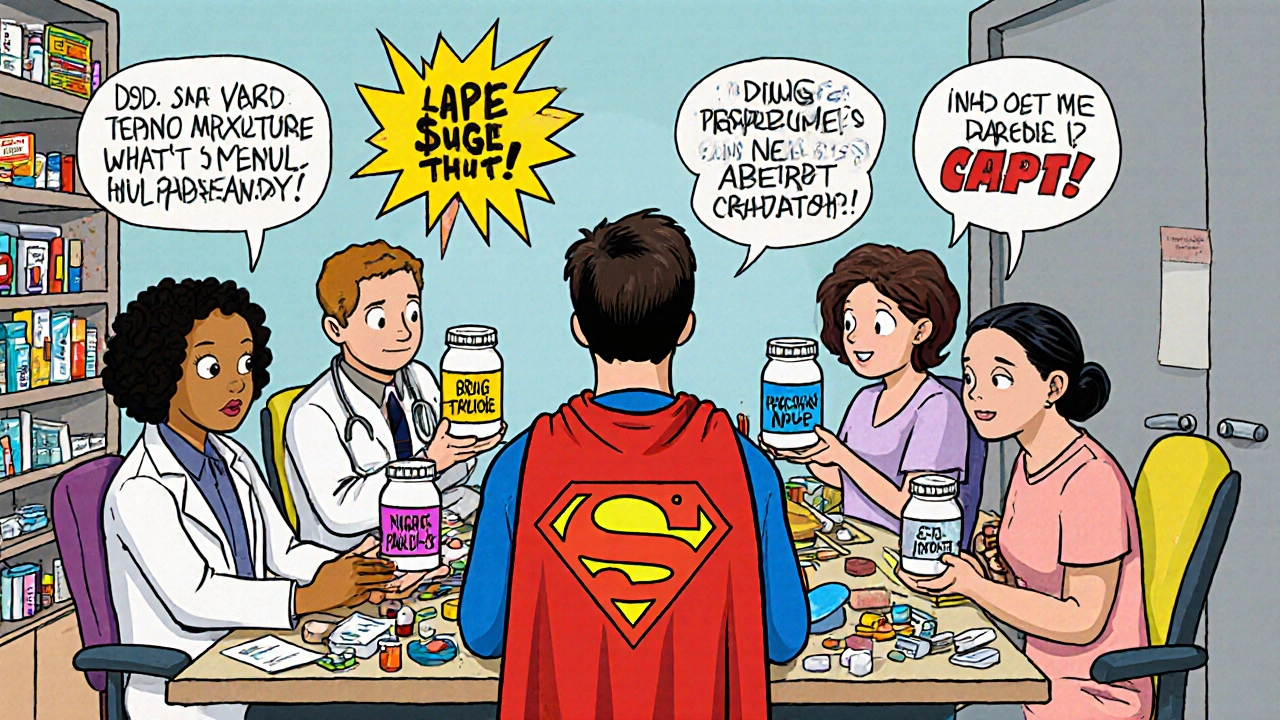
Team-Based Care: How Multidisciplinary Teams Improve Generic Prescribing Outcomes
