
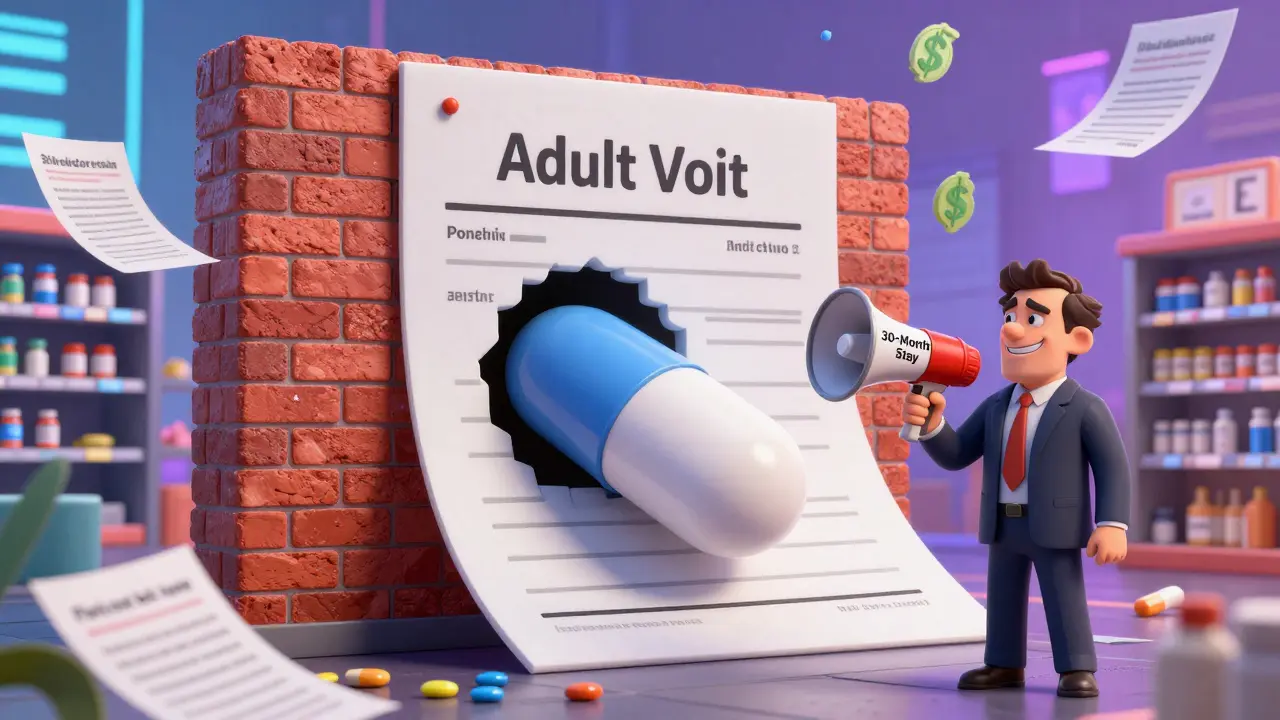
When a new brand-name drug hits the market, it comes with a patent that gives its maker exclusive rights to sell it-usually for 20 years. But here’s the catch: the clock doesn’t start ticking until the drug is approved by the FDA. That means a company can spend years developing a drug, then get another decade or more of monopoly pricing after approval. And when a generic manufacturer tries to enter the market early, the brand-name company doesn’t just say no. They sue. And that lawsuit can delay the generic drug from reaching patients for years-even when the patent is weak or invalid.
How the System Was Meant to Work
The Hatch-Waxman Act of 1984 was supposed to fix this. It created a balance: give drug companies enough time to recoup R&D costs, but let generics in fast once patents expired. The key tool was the Paragraph IV certification. If a generic company believed a patent was invalid or wouldn’t be infringed, they could file a notice with the FDA. That triggered a 45-day window for the brand-name company to sue. If they did, the FDA had to pause approval for 30 months. That’s not a trial timeline. That’s a guaranteed delay.Think of it like a legal speed bump. The brand-name company doesn’t even need to win the case. They just need to file. And they do. According to a 2021 NIH study, 59% of first generic approvals were blocked by these lawsuits. The system was designed to protect real innovation. Today, it’s being used to protect profits.
The Real Cost of the 30-Month Stay
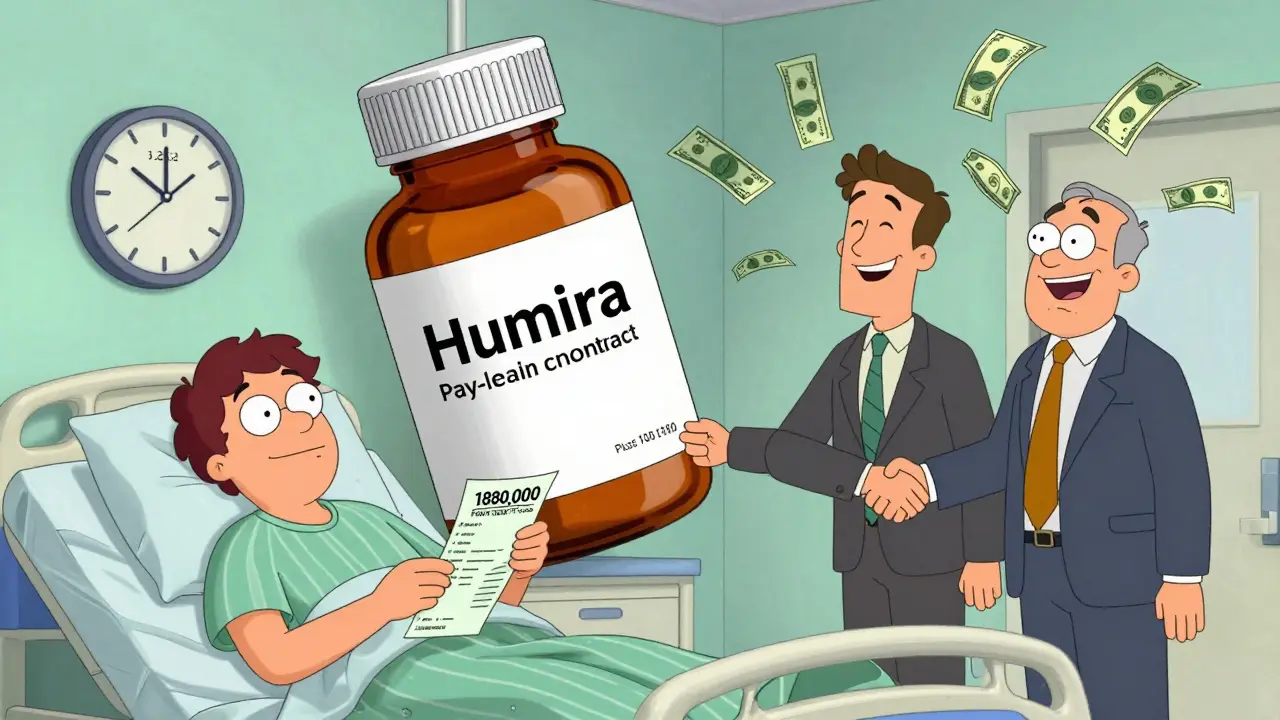
The 30-month stay sounds like a short pause. But here’s what actually happens: the stay expires, and the generic still doesn’t launch. Why? Because the litigation drags on. On average, it takes 3.2 years after the stay ends for the generic drug to finally hit shelves. That means the average brand-name drug enjoys nearly 11.5 years without generic competition-even though its patent should have expired after 7.7 years.Take Humira, the top-selling drug in the U.S. for years. Its patent was challenged multiple times. Even after the first generic was approved by the FDA in 2023, patients couldn’t buy it. Why? Because lawsuits kept piling up. A 2024 report from the Business Group on Health found that delayed generic entry for Humira cost large employers $1.2 billion in 2023 alone. Patients paid up to $180,000 per year for a drug that could have cost $5,000.
Patent Thickets: The Hidden Trap
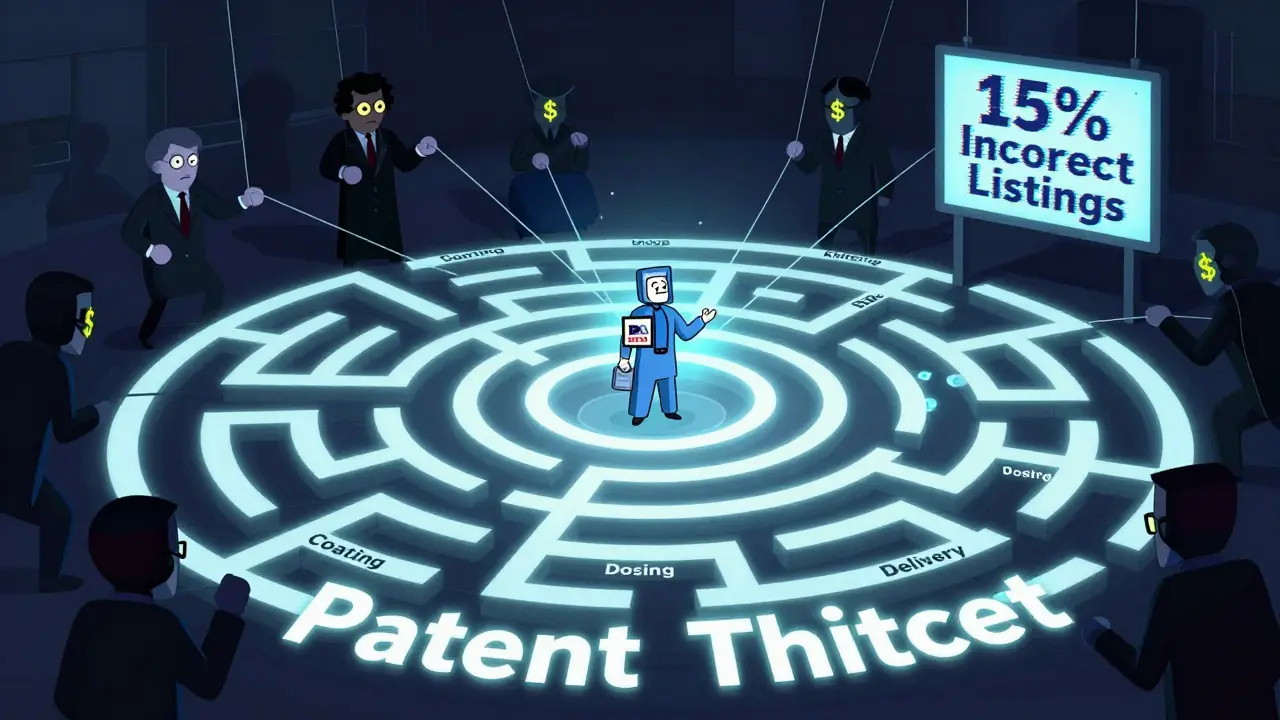
Brand-name companies don’t just rely on one patent. They build patent thickets-layers of secondary patents on delivery systems, dosing schedules, or inactive ingredients. A 2023 study found that 72% of patents used to block generics were filed after the FDA approved the original drug. These aren’t innovations. They’re legal tricks.For example, a drug might have a patent on its original chemical formula. Then, months later, the company files another patent on a tablet coating. Then another on a specific way to take it. Each one gets listed in the Orange Book, the FDA’s public list of patents. But here’s the problem: 15% of listings in the Orange Book are inaccurate. Generic manufacturers have to guess which patents are real threats. If they miss one, they get sued. If they challenge too many, they get buried in legal fees.
Pay-for-Delay: The Secret Deal
Sometimes, the brand-name company doesn’t even bother suing. Instead, they pay the generic maker to stay away. These are called pay-for-delay agreements. The FTC called them “anticompetitive” in 2010. And they still happen. In 2023, the FTC challenged over 100 such deals involving companies like AbbVie and AstraZeneca.Here’s how it works: the brand-name company offers the generic maker millions of dollars to delay its launch. The generic company gets a big payout. The brand-name company keeps its monopoly. And patients? They pay more. The FTC estimates these deals cost consumers billions each year.
Who Pays the Price?
It’s not just patients. It’s pharmacies, insurers, employers, and taxpayers. A pharmacist in Chicago told STAT News she had patients rationing insulin because the generic version was approved but stuck in litigation for 18 months. One patient on Reddit wrote: “I had to wait two years after the FDA approved the generic. My copay went from $5 to $1,200.”Generic manufacturers aren’t immune either. Teva reported in 2023 that patent delays cost them $850 million in lost revenue. Defending a single patent case can cost $3 million to $10 million. Most small generic companies can’t afford that. Only the big players-like Teva, Mylan, and Sun Pharma-have the legal teams to fight. That’s why the top five generic manufacturers now control 45% of the market. Competition is shrinking, not growing.
What’s Being Done?
There are signs of change. The CREATES Act, passed in 2023, tries to stop brand-name companies from blocking generic samples. The FTC is pushing harder. Chair Lina Khan said in January 2024: “We will continue to aggressively challenge pay-for-delay agreements.”Proposed bills like the Protecting Consumer Access to Generic Drugs Act would limit how many patents a company can list in the Orange Book and ban serial lawsuits. But so far, progress is slow. Meanwhile, the industry is adapting. New patent strategies are emerging around biosimilars-biologic drugs that are even harder to copy. Litigation for biosimilars now takes 25% longer than for regular generics.
What’s Next?
The numbers don’t lie. The average generic drug launch is delayed by 3.2 years after its legal window opens. That’s not a glitch. It’s the system working as designed-for drugmakers, not patients. Without legislative reform, analysts predict these delays will keep costing consumers $15-20 billion per year.Patients don’t need more studies. They need faster access. Pharmacists don’t need more paperwork. They need affordable drugs on shelves. And the FDA doesn’t need more approvals. It needs the power to enforce them. The Hatch-Waxman Act was meant to lower prices and increase access. Today, it’s a tool for delay. And the cost? Measured in lives, not dollars.


Reviews
It’s insane that a drug can be approved by the FDA and still sit on a shelf for years because of lawsuits. That’s not innovation. That’s exploitation.
What does that say about us? That we value profit over presence?
We need to rebuild, not just tweak.
This isn’t policy. This is human. We’re failing people every single day. 💔