
Sleep Apnea: Causes, Risks, and What You Can Do About It
When you have sleep apnea, a condition where breathing repeatedly stops and starts during sleep. Also known as obstructive sleep apnea, it’s not just loud snoring—it’s your body struggling to get air while you’re asleep. If you wake up gasping, feel exhausted even after eight hours in bed, or your partner says you stop breathing at night, this isn’t normal. It’s a medical issue that increases your risk of high blood pressure, heart disease, and stroke.
Most cases of sleep apnea happen because the muscles in your throat relax too much and block your airway. This is called obstructive sleep apnea, the most common form, where physical blockage cuts off airflow. Less common is central sleep apnea, where your brain doesn’t send the right signals to breathe. But over 80% of people with sleep apnea have the obstructive kind. Weight gain, a thick neck, or a narrow airway can make it worse. Men over 40, people with diabetes, and those who smoke or drink alcohol at night are at higher risk.
Many people live with it for years without knowing. They blame fatigue on stress or aging. But untreated sleep apnea doesn’t just make you tired—it strains your heart, scrambles your metabolism, and even affects your memory. The good news? It’s one of the most treatable sleep disorders. CPAP therapy, a device that delivers steady air pressure through a mask to keep your airway open. It’s not perfect—some find the mask uncomfortable—but it works for most people. Other options include oral appliances, weight loss, positional therapy, and in some cases, surgery.
You don’t need to accept constant exhaustion or loud snoring as part of life. If you’ve been told you stop breathing while sleeping, or you’re always tired despite sleeping enough, it’s worth getting checked. A simple sleep study can confirm if you have sleep apnea—and what to do next. The treatments aren’t glamorous, but they’re effective. And they can change how you feel every single day.
Below, you’ll find real guides on managing sleep apnea, how it connects to other health issues like heart disease and diabetes, and what alternatives exist beyond the CPAP machine. No theory. No fluff. Just what works.
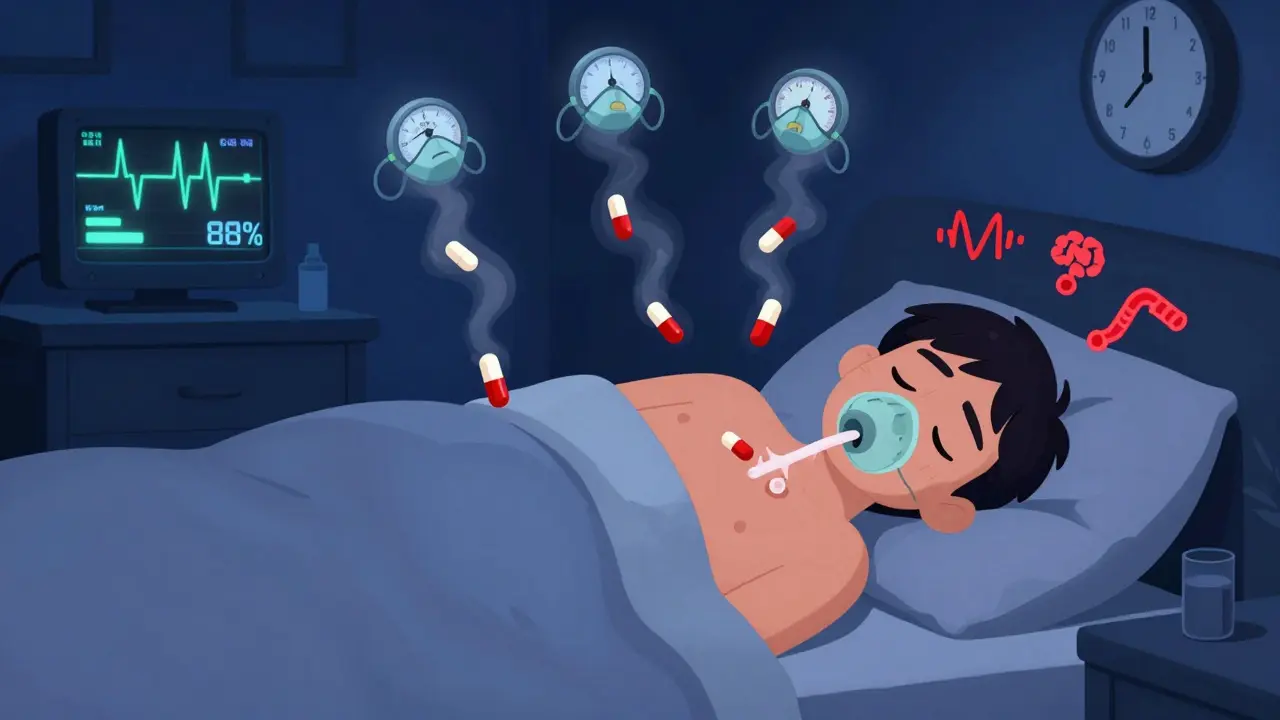
Sleep Apnea and Opioids: How Pain Medications Increase Nighttime Oxygen Drops

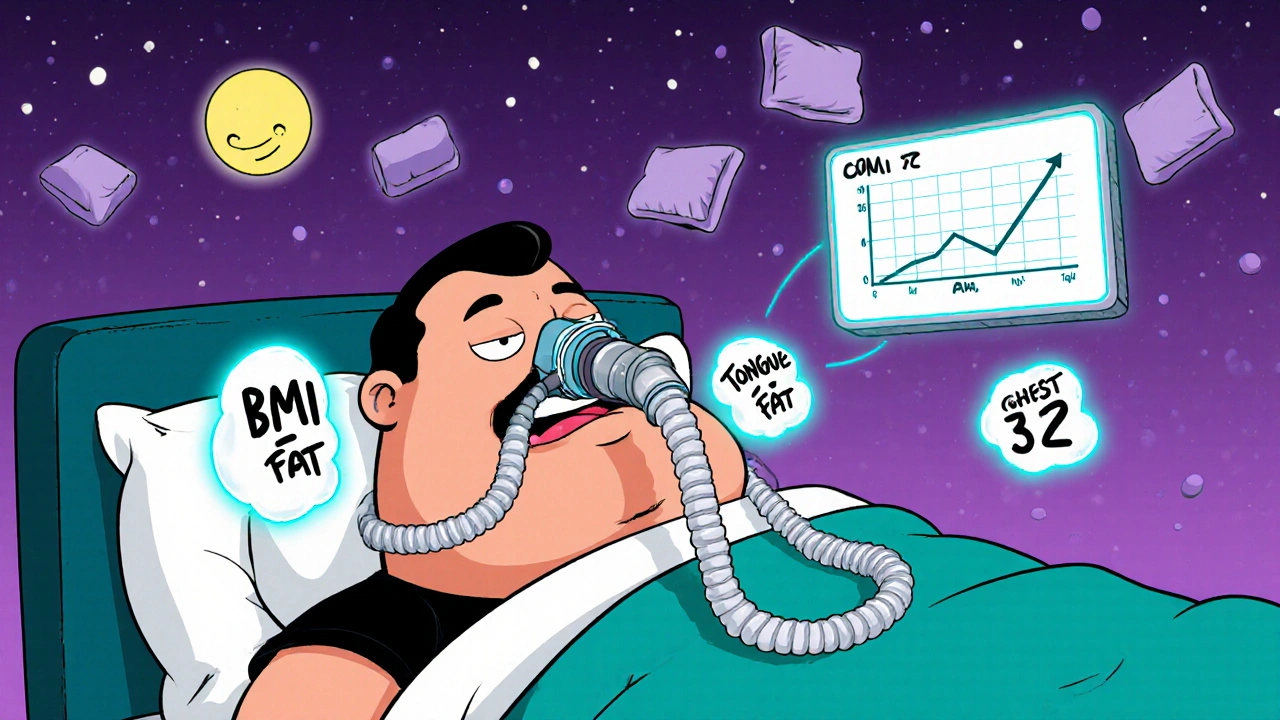
Weight Loss and Sleep Apnea: How BMI Directly Impacts CPAP Pressure Needs