
Opioid Overdose: Signs, Risks, and What to Do in an Emergency
When someone experiences an opioid overdose, a life-threatening condition caused by too much opioid in the body, leading to slowed or stopped breathing. Also known as drug overdose from opioids, it’s one of the leading causes of accidental death in the U.S. This isn’t just about street drugs—many overdoses happen because of prescribed painkillers, especially when mixed with alcohol or other sedatives.
The biggest danger? Breathing slows down or stops completely. You might see blue lips, pinpoint pupils, or a limp body that won’t wake up—even with shaking or shouting. Fentanyl, a synthetic opioid 50 to 100 times stronger than morphine, is now involved in most fatal overdoses. Even a tiny amount can kill someone who’s never used opioids before. And here’s the hard truth: many overdoses happen alone, with no one around to help. That’s why knowing how to respond isn’t just helpful—it’s essential.
Naloxone, a medication that rapidly reverses opioid overdose by blocking opioid receptors in the brain. Also known as Narcan, it’s safe, easy to use, and works in minutes—whether given as a nasal spray or injection. It won’t hurt someone who didn’t take opioids, and it doesn’t cause addiction. Keep it on hand if you or someone you know uses opioids, even if they’re prescribed. Many pharmacies sell it without a prescription, and some states even give it out for free. And while naloxone can bring someone back, it’s not a cure. The effects wear off in 30 to 90 minutes, and if the opioid is still in their system, they can slip back into overdose. That’s why calling 911 is non-negotiable—even if they wake up after naloxone.
People often wait too long to act, afraid of legal trouble or judgment. But in most places, Good Samaritan laws protect you if you call for help during an overdose. Your action could be the difference between life and death. If you see someone unresponsive, check for breathing, give naloxone if you have it, and start rescue breathing if they’re not breathing. Stay with them until EMS arrives.
Underlying all of this is opioid addiction, a chronic brain disorder where use continues despite serious harm. It’s not a moral failure—it’s a medical condition. Many who overdose have been taking opioids for pain, anxiety, or trauma, and didn’t realize how quickly dependence can form. Treatment exists: medication-assisted therapy with buprenorphine or methadone, counseling, peer support. Recovery is possible, but it starts with recognizing the problem and reaching out.
The posts below give you real, practical insights—from how to recognize early signs of misuse to how community clinics help people access naloxone and treatment. You’ll find clear advice on what to do in the moment, how to talk to a loved one about their use, and how to find help without judgment. This isn’t about fear. It’s about being prepared.
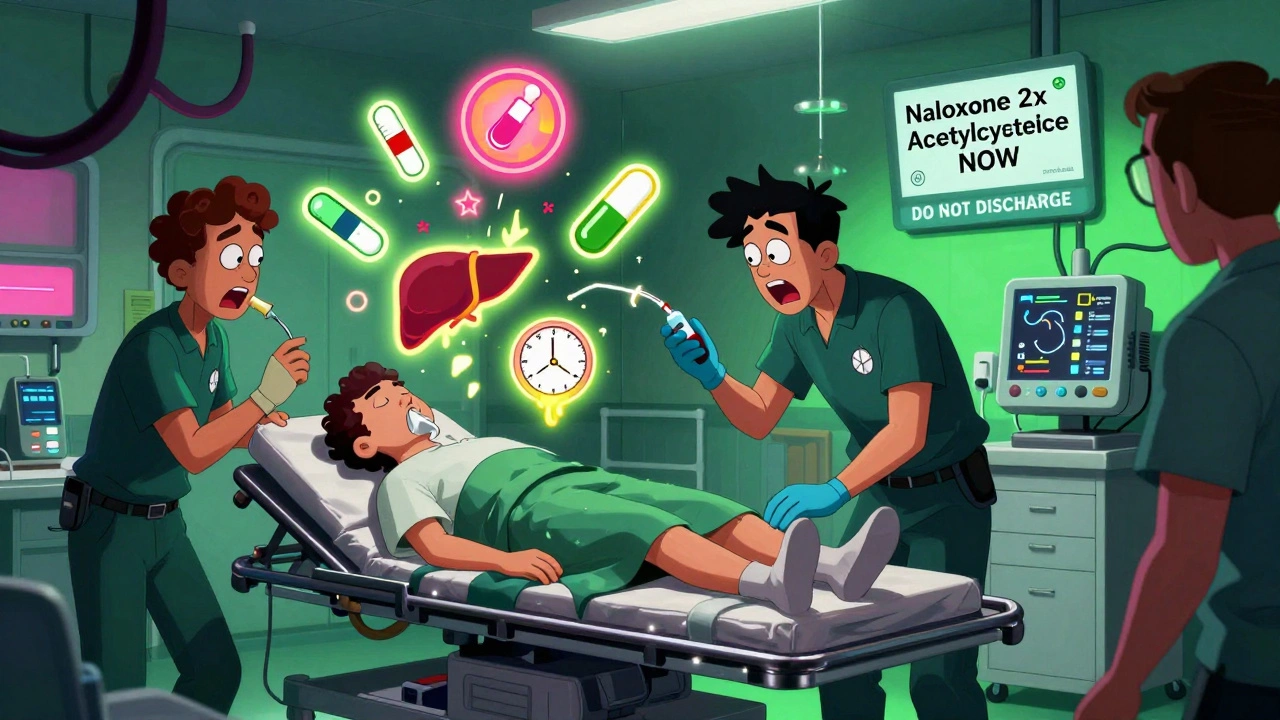
Multiple Drug Overdose: How to Manage Complex Medication Overdoses in Emergency Settings
