
Light Therapy for SAD: How It Works and What You Need to Know
When the days get short and the sun stays hidden, millions of people feel sluggish, down, or even depressed—this isn’t just a bad mood. It’s seasonal affective disorder, a type of depression that follows a seasonal pattern, usually starting in fall and lasting through winter. Also known as winter depression, it’s tied to changes in sunlight that throw off your body’s internal clock and serotonin levels. For many, light therapy for SAD, a non-drug treatment that uses bright artificial light to mimic natural sunlight is the most effective first step. It doesn’t cure depression, but it resets your biology. Studies show it works as well as antidepressants for mild to moderate cases, with fewer side effects.
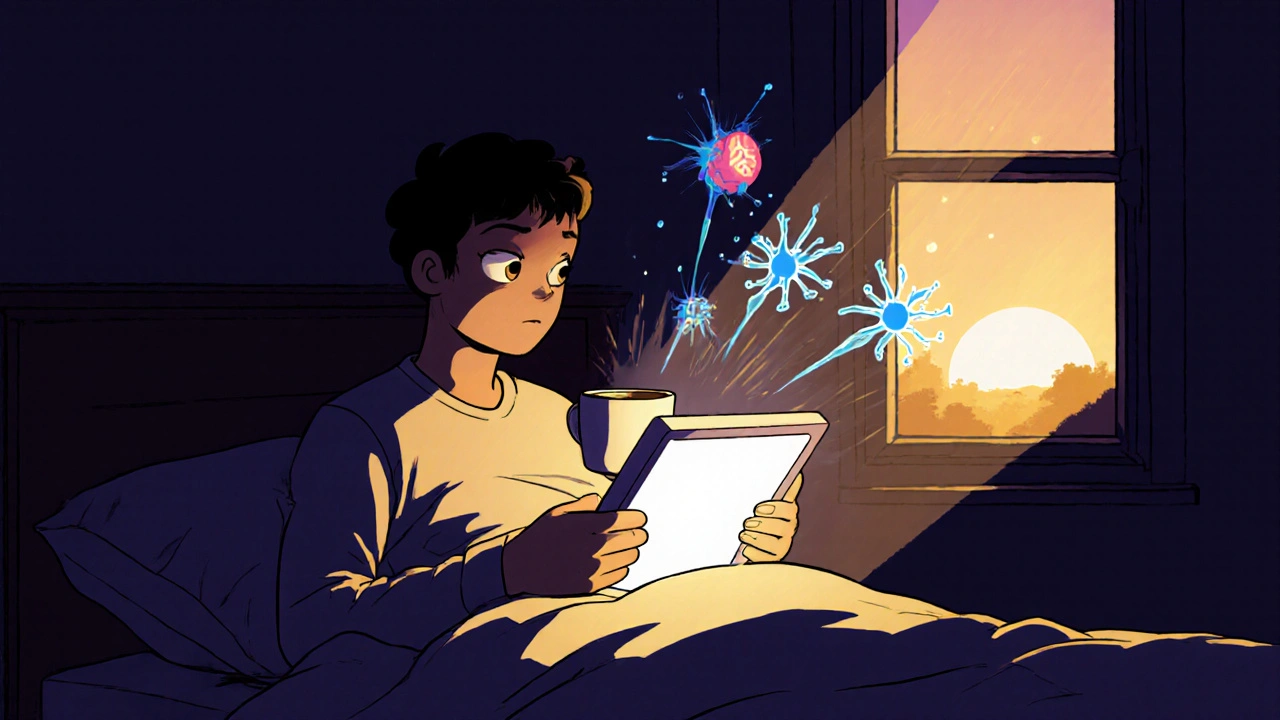
How does it actually work? Your brain has a built-in timer called the circadian rhythm, the 24-hour internal cycle that regulates sleep, mood, and hormone release. When winter darkness hits, your body makes too much melatonin (the sleep hormone) and not enough serotonin (the mood booster). Light therapy tricks your brain into thinking it’s morning. You sit in front of a special light box—usually 10,000 lux—for 20 to 60 minutes each day, ideally right after waking up. No need to stare at it; you can read, drink coffee, or scroll on your phone while it works. Some people prefer dawn simulation, a gentler method where a lamp slowly brightens in your bedroom like a natural sunrise, which helps you wake up more naturally without an alarm.
Not everyone responds the same way. People with bipolar disorder need to be careful—light therapy can trigger mania. Others find it helps with jet lag, shift work, or just general low energy. The key is consistency. Skipping days reduces effectiveness. And not all lights are equal. Avoid tanning beds, colored lamps, or cheap LED strips—they don’t deliver the right intensity or spectrum. Look for devices labeled as "SAD lamps" or "therapeutic light boxes" with UV filters and 10,000 lux output. Most insurance plans don’t cover them, but they cost less than a month’s worth of prescriptions.
What you’ll find below are real, practical guides on how light therapy fits into your daily life, what devices actually work, how to pair it with other treatments, and what to avoid. Some posts dig into the science behind why it works. Others share personal stories from people who turned their winter blues around. There’s also advice on combining it with supplements, exercise, and sleep habits for better results. No fluff. No marketing. Just what you need to make light therapy work for you.
Seasonal Depression Prevention: How Light, Vitamin D, and Routine Can Help
