
Compliance vs Adherence: What Really Matters for Taking Your Medications Right
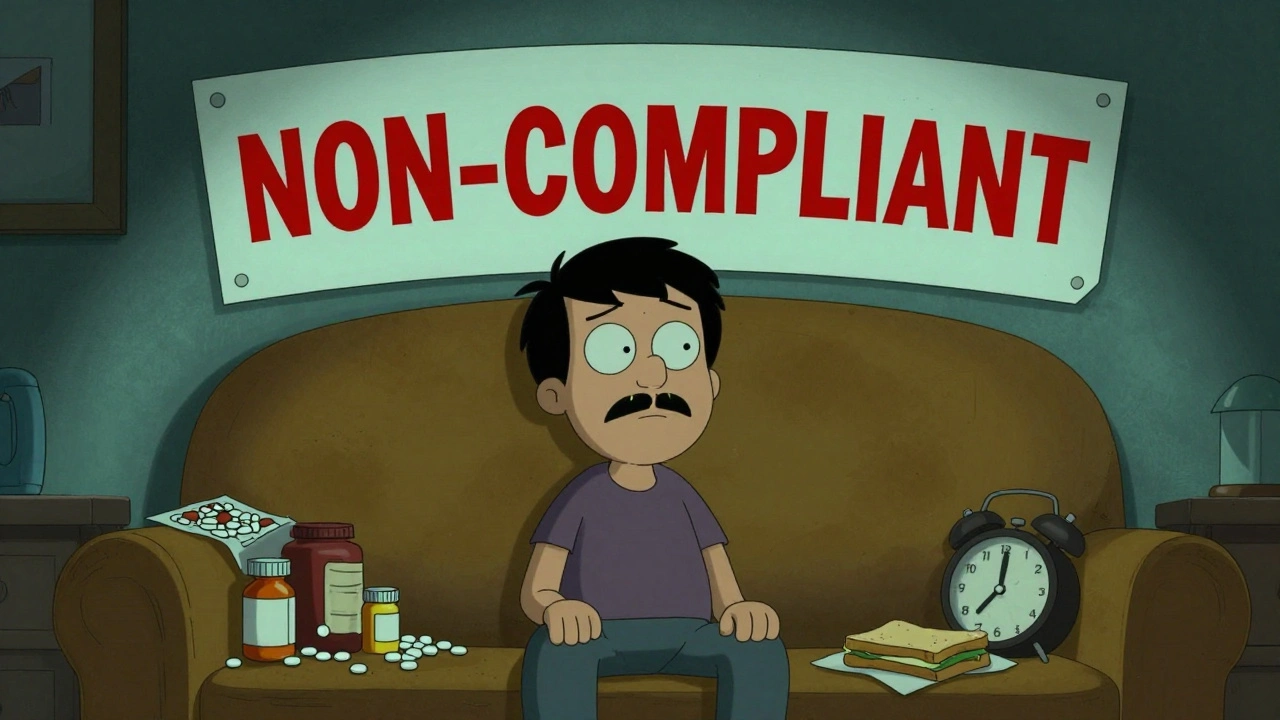
When doctors talk about compliance vs adherence, two terms used to describe how well patients follow their prescribed treatment plans. While they’re often used interchangeably, they carry very different meanings—and the difference can affect your health outcomes. Compliance, a passive, provider-driven concept where patients follow orders like rules. It implies you’re expected to obey, and if you don’t, it’s seen as a failure on your part. Adherence, a partnership-based approach that recognizes you’re the expert on your own life. It’s about working together to find a way that fits your schedule, budget, and daily reality. This isn’t just semantics—it’s a shift in how care is delivered.
Think of it this way: if you’re told to take a pill every morning at 7 a.m. and you skip it because you’re always rushing out the door, compliance sees that as noncompliance. Adherence asks: Why did you skip it? Maybe the pill makes you nauseous. Maybe it’s too expensive. Maybe you don’t understand why it matters. Adherence means the solution isn’t just to remind you—it’s to change the plan. That’s why modern clinics now use adherence-focused tools: pill organizers, text reminders, simplified dosing, and even pharmacy counseling. Studies show patients who feel heard are up to 50% more likely to stick with their meds long-term.
And it’s not just about remembering pills. It’s about knowing what happens if you stop, why side effects matter, and how to talk to your doctor when something feels off. That’s why the posts here cover real issues: how generics affect adherence, how team-based care helps patients stay on track, why expired meds cause people to quit treatment, and how Medicare Extra Help removes cost barriers that break adherence. You’ll also find guides on switching meds safely, avoiding dangerous drug combos, and using savings programs so cost doesn’t become your excuse.
This isn’t about guilt or blame. It’s about making your treatment work for you, not the other way around. Whether you’re managing diabetes with a CGM, dealing with statin side effects, or trying to lower your blood pressure without breaking the bank—what matters isn’t whether you followed a rule. It’s whether you kept taking your medicine in a way that actually fits your life. Below, you’ll find practical advice from real patients and providers who’ve been there. No fluff. Just what helps people stay healthy.
What Is Medication Adherence vs. Compliance and Why It Matters
