
Multiple Drug Overdose: Causes, Risks, and What to Do
When someone takes multiple drug overdose, the dangerous accumulation of two or more medications or substances that overwhelm the body’s ability to process them. Also known as polypharmacy overdose, it’s not always intentional—many cases happen because people don’t realize how their prescriptions interact. It’s not just about taking too much of one drug. It’s about mixing things like opioids with benzodiazepines, antidepressants with painkillers, or even over-the-counter sleep aids with alcohol. These combinations don’t just add up—they multiply risk.
One of the biggest dangers is drug interaction, when two or more drugs change how each other works in the body, often in unpredictable ways. For example, mixing a painkiller like oxycodone with a muscle relaxant like cyclobenzaprine can slow breathing to a stop. Even common meds like Benadryl and certain antidepressants can cause dangerous buildup of anticholinergic effects, leading to confusion, rapid heartbeat, or seizures. The FDA and CDC both track these patterns—over half of overdose deaths in recent years involved more than one substance. And it’s not just illegal drugs. Prescription meds, supplements, and even herbal remedies like St. John’s wort can trigger a cascade when combined with other drugs.
Recognizing the signs matters more than you think. Slurred speech, extreme drowsiness, slow or shallow breathing, cold/clammy skin, and unresponsiveness aren’t just "bad reactions"—they’re emergency signals. If someone’s not waking up or their lips are turning blue, calling 911 isn’t optional. Naloxone can reverse opioid overdoses, but it won’t help if the problem is a mix of sedatives and stimulants. That’s why knowing what was taken is critical. Emergency responders need the full list—prescriptions, supplements, even that one sleep gummy you took last night.
Many people think if they’re not taking drugs "for fun," they’re safe. But polypharmacy is common in older adults managing arthritis, diabetes, heart issues, and sleep problems. A single doctor might prescribe one thing, another prescribes something else, and no one connects the dots. That’s why polypharmacy, the use of multiple medications by a single patient, often without clear coordination is a growing public health issue. It’s not about taking too many pills—it’s about taking the wrong combinations without knowing the risks.
What you’ll find below are real stories and science-backed facts about how drug combinations go wrong, which ones are most dangerous, and how to protect yourself or someone you care about. You’ll learn about the meds most often involved in overdose cases, how pharmacies track these risks, and what to do if you’re worried about a loved one’s regimen. These aren’t hypotheticals—they’re cases that happened to real people, and the lessons can save lives.
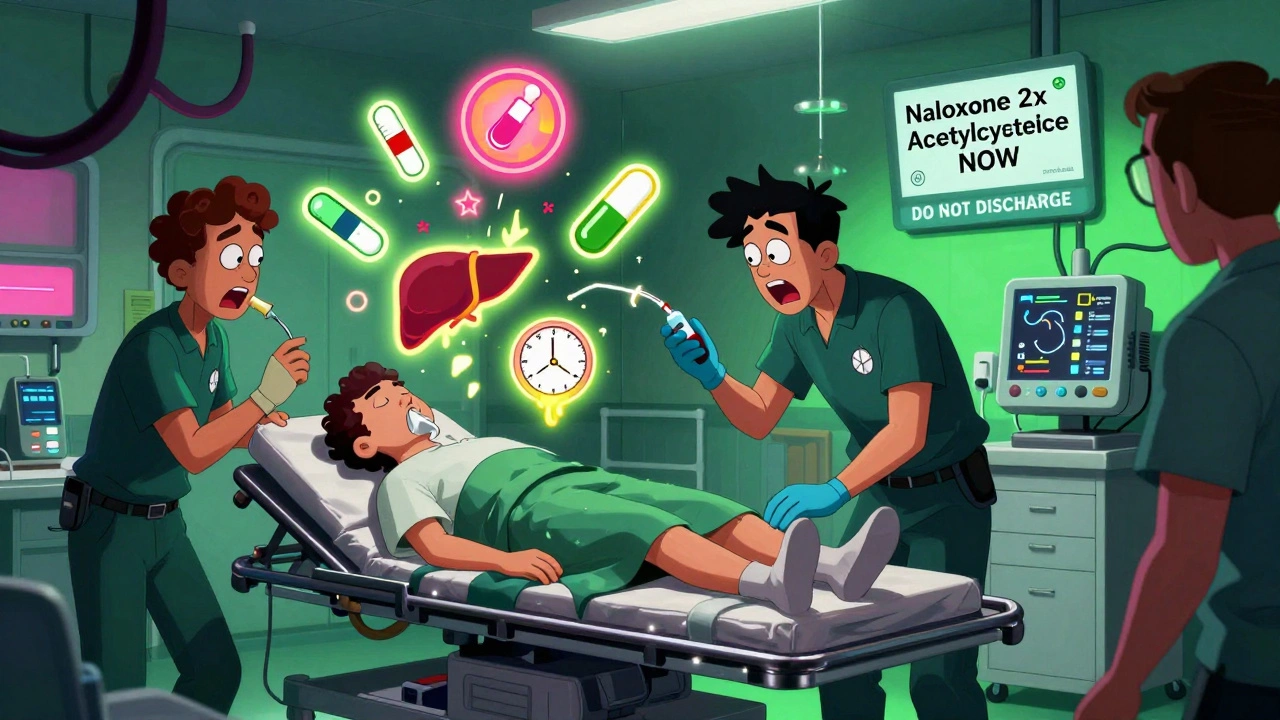
Multiple Drug Overdose: How to Manage Complex Medication Overdoses in Emergency Settings
