
Expiration Dates: What They Really Mean for Your Medications
When you see an expiration date, the date by which a medication is guaranteed to be fully potent and safe to use, as determined by the manufacturer under FDA testing standards. Also known as use-by date, it's not a magic cutoff where the drug suddenly turns dangerous—it’s a promise of quality, not a death sentence. Most pills and liquids stay effective for years after this date, but their strength can slowly drop. The FDA tested over 100 drugs and found that 90% were still safe and effective up to 15 years past their expiration date. That doesn’t mean you should keep every old pill in your cabinet, but it does mean you shouldn’t panic if you find one that’s a few months or even a year past its date.
What really matters is medication safety, how a drug behaves in storage and whether it’s been exposed to heat, moisture, or light that can break it down faster. A bottle of antibiotics left in a hot bathroom or a bottle of insulin sitting in direct sunlight? Those are risks. The expiration date assumes proper storage—cool, dry, dark. If your meds look different—crumbly, discolored, smelly—or if they’re liquids that have changed color or texture, toss them. Same goes for pills that smell like vinegar or have visible mold. For life-saving drugs like epinephrine, nitroglycerin, or insulin, never risk it. Replace them on time.
Then there’s drug potency, how strong the active ingredient remains over time. A painkiller that’s lost 10% of its strength might still help your headache. But a blood pressure pill that’s dropped 30%? That could be dangerous. Your body doesn’t know the difference between a fresh pill and an old one—it just gets the dose it’s given. That’s why expiration dates exist: to ensure you get the full, intended dose. And if you’re on a tight budget, don’t assume expired meds are a shortcut. A $5 generic you can refill today is safer than a $50 bottle you found in the back of the drawer.
Some people think pharmacies just print dates to make you buy more. But the real story is more about chemistry than commerce. Manufacturers test drugs under controlled conditions to see how long they hold up. They don’t test for 10-year shelf lives because there’s no business case for it. That doesn’t mean they go bad the day after the date—it just means they’re no longer guaranteed. If you’re unsure, ask your pharmacist. They’ve seen more expired meds than you can imagine, and they know what’s worth keeping and what’s not.
And don’t forget FDA guidelines, the official standards that drug makers must follow to label expiration dates and ensure public safety. These aren’t suggestions. They’re rules. When you buy a medication, you’re trusting that the date on the bottle meets those rules. If you’re using a generic, that’s even more important—because generics have to prove they match the brand in strength, purity, and stability. The FDA doesn’t let them skip the test.
Below, you’ll find real-world advice from people who’ve dealt with expired meds, pharmacists who’ve seen the fallout, and studies that cut through the myths. Whether you’re wondering if your old allergy pill will still work, if you should keep your grandma’s heart meds, or how to safely dispose of what you don’t need—this collection has you covered. No fluff. Just what you need to know to stay safe and smart.
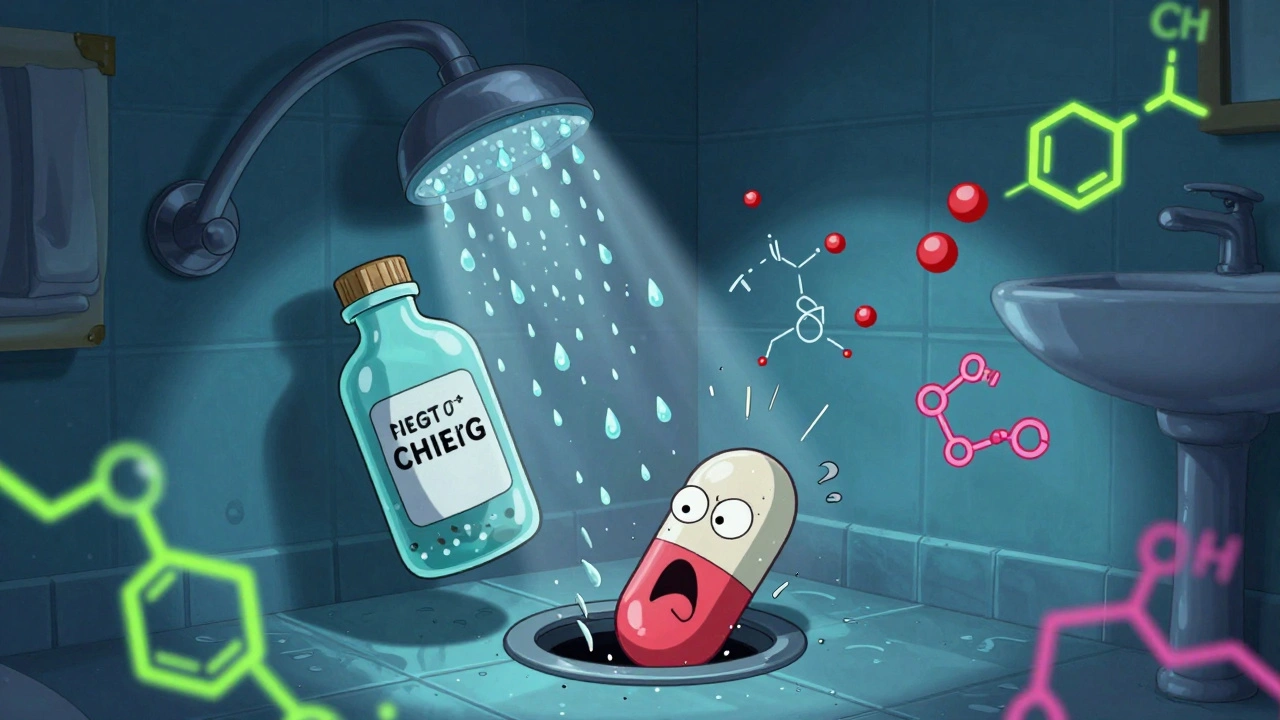
Why Medications Lose Potency Over Time and How It Happens
