
Benzodiazepine Overdose: Signs, Risks, and What to Do
When someone takes too much of a benzodiazepine, a class of central nervous system depressants used to treat anxiety, seizures, and insomnia. Also known as benzos, these drugs include diazepam, lorazepam, alprazolam, and clonazepam. While safe when used as directed, a benzodiazepine overdose can slow breathing to dangerous levels—or stop it entirely. Most overdoses don’t happen from a single pill taken by accident. They usually occur when people mix benzos with alcohol, opioids, or other sedatives. That combination is what turns a manageable dose into a life-threatening event.
The body doesn’t process these drugs the same way. alcohol, a depressant that slows brain activity and opioids, painkillers like oxycodone or heroin that also suppress breathing team up with benzos to shut down key brain functions. This is why emergency rooms see so many overdoses during holiday weekends or after someone takes a sleeping pill with a drink. Symptoms include extreme drowsiness, confusion, slurred speech, weak muscles, slow or shallow breathing, and unresponsiveness. If someone can’t be woken up or is breathing less than 8 times a minute, it’s a medical emergency.
Not all benzo overdoses require hospitalization, but you should never guess. Even if the person seems sleepy but responsive, they could crash hours later. Naloxone doesn’t reverse benzo overdoses—it only works on opioids. That’s why people often assume they’re safe if they didn’t take painkillers. They’re wrong. The antidote for benzo overdose is flumazenil, but it’s not always used because it can trigger seizures in people with epilepsy or long-term benzo use. That’s why treatment focuses on breathing support, IV fluids, and monitoring until the drug clears the system.
What makes this even more dangerous is how common these drugs are. Millions of prescriptions are written each year. Many people don’t realize how quickly tolerance builds, or how easy it is to accidentally double up on doses. Older adults are especially at risk because their bodies process drugs slower. And if someone’s been taking benzos for months or years, suddenly stopping or changing doses can lead to withdrawal—making them more likely to take extra pills to feel normal.
There’s no magic fix. Prevention means knowing what you’re taking, avoiding alcohol with any sedative, and never sharing pills. If you or someone you know relies on benzos for sleep or anxiety, talk to a doctor about safer, long-term options. The goal isn’t to scare you—it’s to make sure you know when to act. A few minutes of hesitation can cost someone their life. Below, you’ll find real cases, expert insights, and practical advice on recognizing the signs before it’s too late.
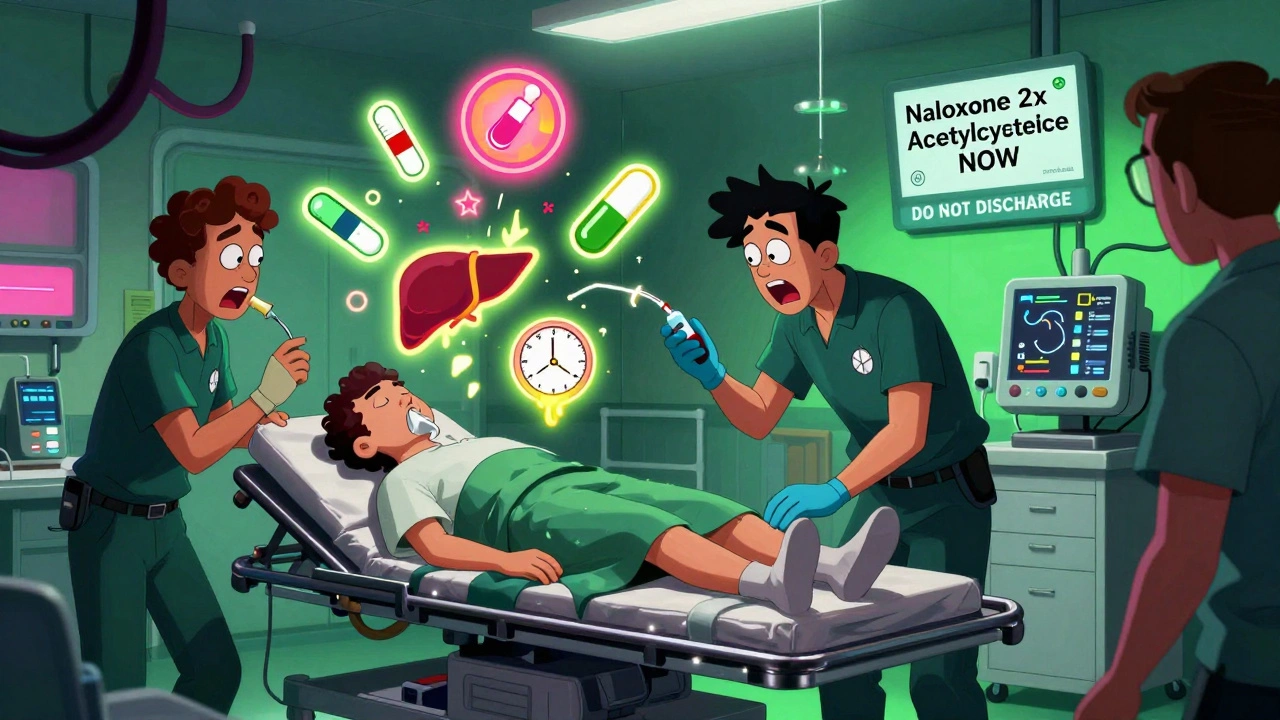
Multiple Drug Overdose: How to Manage Complex Medication Overdoses in Emergency Settings
