
Winter Depression Routine: Simple Ways to Beat Seasonal Low Mood
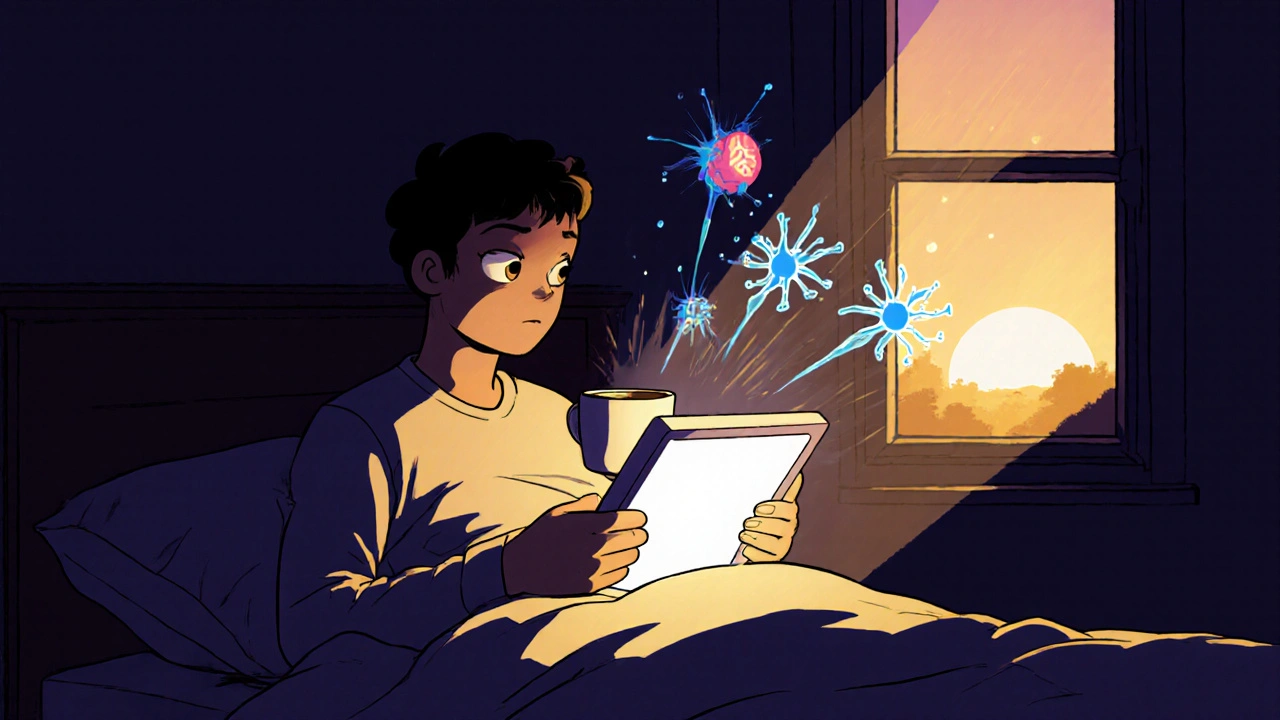
When days get short and the sun disappears, many people feel heavier, slower, and more tired—not just because of the cold, but because of something called winter depression, a type of seasonal mood disorder triggered by reduced sunlight during colder months. Also known as seasonal affective disorder, it’s not just "feeling down." It’s a real shift in energy, sleep, and motivation that hits thousands every year. Unlike regular sadness, winter depression doesn’t go away with a good night’s sleep or a walk around the block. It sticks around, often starting in late fall and lasting until spring.
This isn’t something you just have to live with. A solid winter depression routine can make a real difference. It doesn’t require expensive treatments or major life changes. Most people find relief by combining small, daily habits that work with their body’s natural rhythms. One key piece? Light. Your brain needs sunlight to produce serotonin and regulate melatonin. When it doesn’t get enough, your internal clock gets out of sync. That’s where light therapy, a safe, non-drug treatment using special lamps that mimic natural daylight comes in. Used for just 20–30 minutes a day, it can reset your mood cycle faster than you’d expect.
Another big player is vitamin D, a nutrient your skin makes when exposed to sunlight, which drops sharply in winter and directly affects brain function. Low levels are linked to fatigue, low mood, and even brain fog. Getting tested and taking a simple supplement—often just 1,000 to 2,000 IU daily—can help fill the gap. But supplements alone aren’t enough. Movement matters too. Even a 15-minute walk at noon, when the sun is highest, can boost your mood more than sitting inside all day. And don’t underestimate the power of routine: waking up and going to bed at the same time, eating regular meals, and staying connected with people—even briefly—keeps your nervous system grounded.
Some people try natural supplements like melatonin or St. John’s wort, but those can interact with other meds. Others turn to therapy or medication. But for most, the real win comes from building a simple, repeatable daily structure that brings in light, movement, and connection. You don’t need to be perfect. Just consistent. The posts below show real examples—from people who swapped their morning coffee for a light box, to those who started walking with a friend, to others who found relief by tracking their sleep and mood patterns. These aren’t theories. They’re lived experiences. And they’re all backed by what actually works for real people, not just clinical studies.
Seasonal Depression Prevention: How Light, Vitamin D, and Routine Can Help
