
Pharmaceutical Stability: What It Means and Why It Matters for Your Medications
When you pick up a prescription, you expect it to work exactly as it should. That’s where pharmaceutical stability, the ability of a drug to maintain its chemical structure, potency, and safety over time under specific conditions. It’s not just about expiration dates—it’s about whether the active ingredient in your pill, capsule, or liquid still does what it’s supposed to when you take it. A drug that loses stability doesn’t just become less effective—it can turn harmful. Think of it like milk: even if it doesn’t smell bad, leaving it in the sun can change its chemistry. The same thing happens with medications, especially when they’re stored in bathrooms, cars, or near windows.
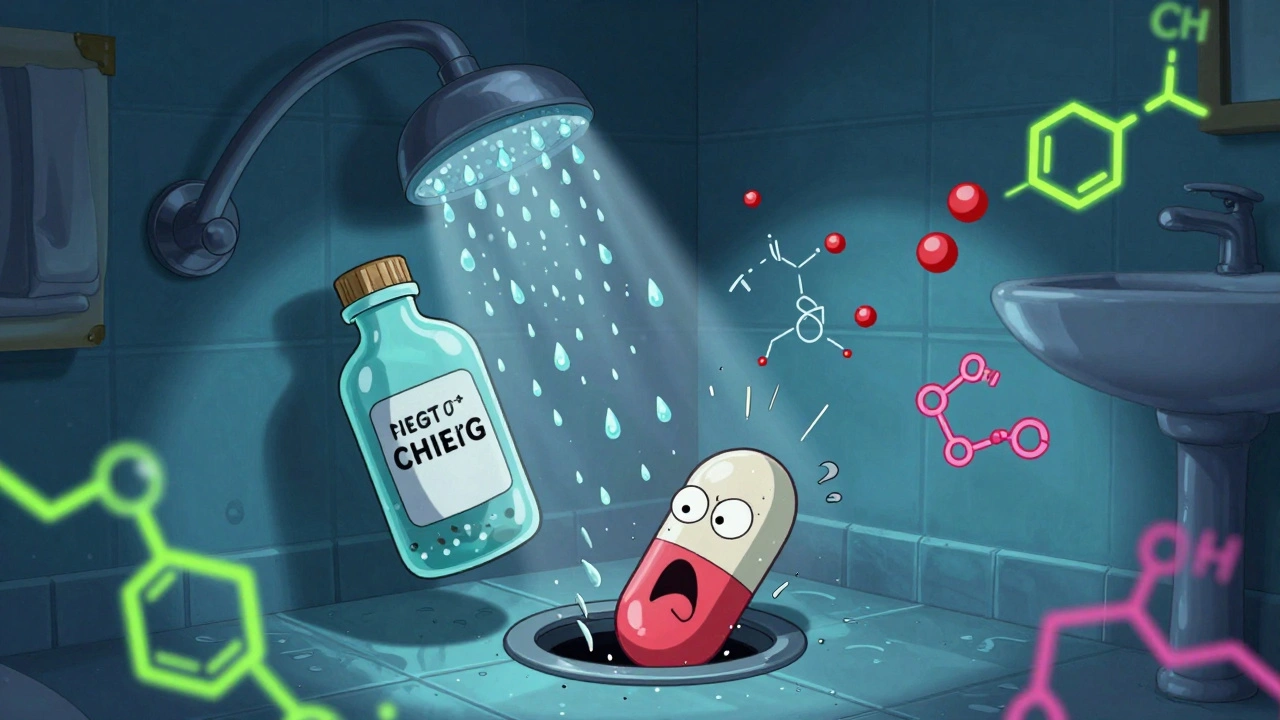
Drug degradation, the chemical breakdown of a medication due to heat, light, moisture, or time is the main threat to pharmaceutical stability. Even a small change—like a 5% drop in potency—can mean your blood pressure med doesn’t control your numbers, or your antibiotic doesn’t kill the infection. This isn’t theoretical. The FDA has flagged cases where improperly stored generics failed to meet potency standards, especially in hot climates or during shipping. And it’s not just old pills. Even new ones can degrade if kept in a humid bathroom or a hot car dashboard.
Storage conditions, the environment where medications are kept, including temperature, humidity, and light exposure are just as important as the drug itself. Most pills are fine at room temperature, but insulin, some antibiotics, and liquid medications often need refrigeration. Never leave your meds in the glove compartment—summer temps can hit 140°F. And don’t assume a sealed bottle is safe forever. Once you open a bottle of eye drops, they usually expire in 28 days, no matter what the printed date says. For seniors on multiple meds, or families using generics bought in bulk, this is a silent risk.
Pharmaceutical stability also affects how well generic drugs, medications that are chemically identical to brand-name versions but sold at lower prices perform in real life. While generics must meet FDA standards for equivalence, their stability can vary based on the manufacturer’s formulation, packaging, and quality control. A cheaper generic might save you money upfront, but if it degrades faster, you’re paying more in the long run—through repeat doctor visits, failed treatments, or worse.
Understanding pharmaceutical stability isn’t about becoming a chemist. It’s about protecting your health. It’s why your pharmacist asks if you store meds in the bathroom. It’s why some drugs come in blister packs instead of bottles. It’s why your doctor might switch you to a different formulation if you live in a humid area. The posts below cover real-world examples: how pharmacy systems track stability in generics, why certain drugs need special handling, how storage affects adherence, and what happens when stability fails. You’ll find practical tips on saving money without risking safety, how to spot a degraded pill, and why your meds might not be working—not because your body changed, but because the drug did.
Why Medications Lose Potency Over Time and How It Happens
