
Medication Non-Adherence: Why People Skip Doses and How to Fix It
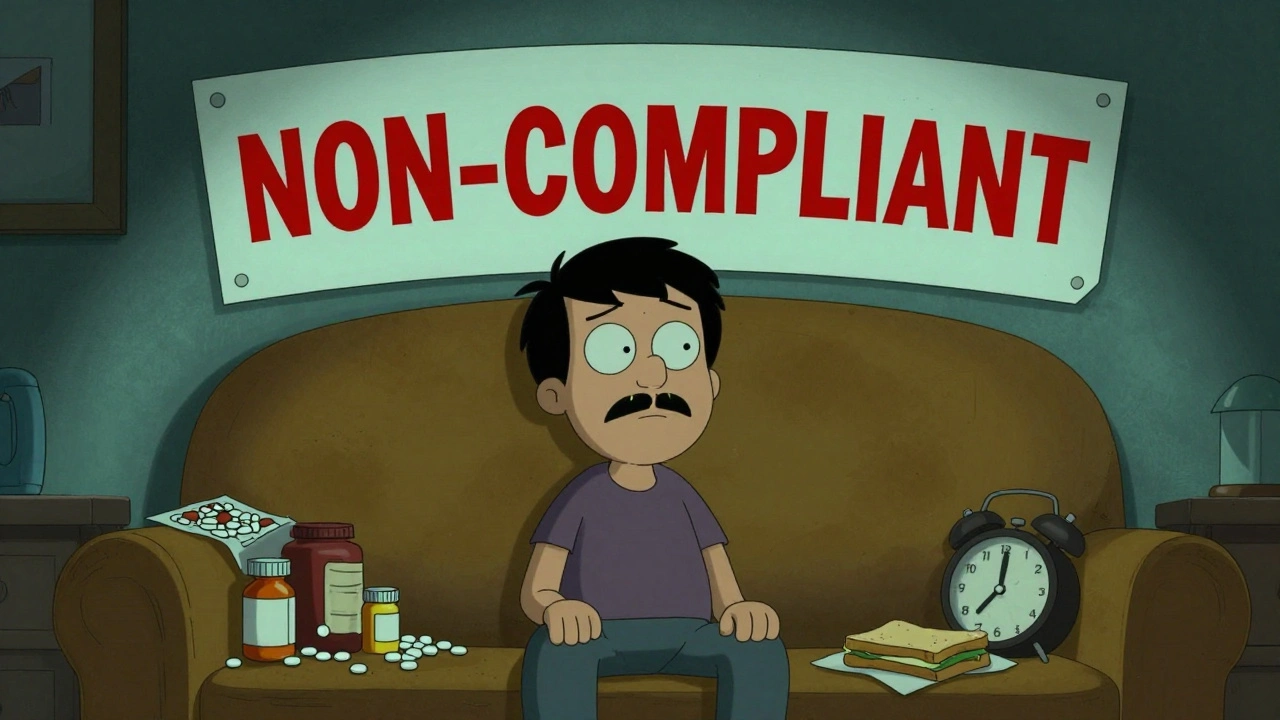
When someone doesn’t take their medicine as prescribed, it’s called medication non-adherence, the failure to follow a prescribed drug regimen, leading to worsened health, hospitalizations, and higher costs. Also known as poor drug adherence, it’s not about being lazy—it’s often about confusion, cost, side effects, or feeling fine and thinking the drug isn’t needed anymore. This isn’t a rare problem. About half of people with chronic conditions like high blood pressure, diabetes, or depression don’t take their meds correctly. And it’s not just pills—patch, inhaler, or injection regimens get missed too.
One big reason? generic medications, lower-cost versions of brand-name drugs that are just as effective but often look different or come with unfamiliar names. Patients see a new pill shape or color and think it’s a different drug. They stop taking it, or they get scared it won’t work. Pharmacists and doctors don’t always explain the switch clearly. Then there’s cost—even with generics, $40 a month adds up. People choose between food, rent, or their heart medicine. And if they feel fine after a few weeks, they assume they’re cured. But high blood pressure doesn’t scream. Diabetes doesn’t yell. So they quit.
Patient education, clear, simple, repeated guidance from healthcare teams about why the drug matters and what happens if it’s skipped makes a huge difference. But too often, patients get a leaflet and a prescription, and that’s it. What works? One-on-one talks, text reminders, pill organizers, and involving family. Pharmacies that call to check in. Clinics that track refill patterns. When people understand how their medicine ties to their daily life—like being able to play with their kids or walk without pain—they stick with it.
It’s not just about the drug. It’s about trust. If a patient feels rushed during a visit, or if their doctor dismisses their concerns about side effects, they’ll stop talking—and eventually stop taking. The best solutions aren’t high-tech. They’re human. Asking, "What’s making it hard for you to take this?" instead of assuming they’re non-compliant. Offering samples. Connecting them to programs that cut costs. Making refills automatic.
The posts below dig into the real reasons behind missed doses—from confusing pharmacy labels to hidden drug interactions that make people feel worse. You’ll find guides on how providers can improve prescribing, how to spot when a patient is slipping, and what simple tools actually help. You’ll also see how generic drugs, insurance programs like Medicare Extra Help, and team-based care play a role in keeping people on track. This isn’t theory. It’s what’s happening in clinics, pharmacies, and homes every day. And it’s fixable—if we start listening.
What Is Medication Adherence vs. Compliance and Why It Matters
