
FreeStyle Libre: What It Is, How It Works, and What You Need to Know
When you have diabetes, checking your blood sugar shouldn’t feel like a chore. That’s where FreeStyle Libre, a wearable continuous glucose monitoring system that tracks sugar levels through a small sensor on the back of your arm. Also known as a CGM, it replaces the need for daily finger pricks by sending real-time readings to a reader or smartphone. Unlike older methods, FreeStyle Libre gives you a full picture—showing trends, spikes, and drops without you having to do anything except glance at your phone.
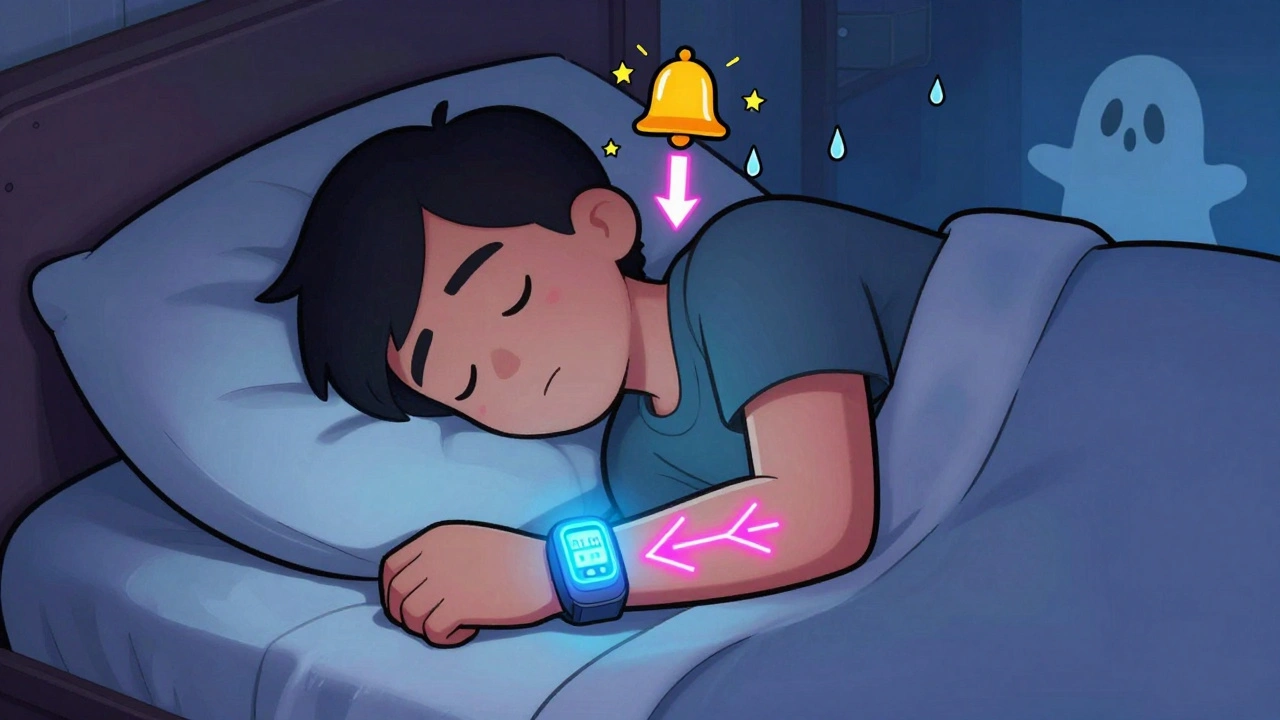
It’s not just a gadget. It’s a tool that changes how you manage diabetes. People who use it often report fewer highs and lows because they see patterns they never noticed before—like how a late-night snack spikes sugar at 3 a.m., or how walking after lunch brings levels down naturally. The sensor lasts up to 14 days, sticks on like a bandage, and works even through showers or workouts. No more fumbling with test strips or worrying about expired lancets. And because it connects to apps, you can share data with your doctor instantly, making visits more productive.
But it’s not for everyone. If you’re on insulin, it’s a game-changer. If you’re managing type 2 with diet and pills, you might still benefit if your sugar swings are unpredictable. Some users find the cost a hurdle, but insurance often covers it—especially if your doctor says you need it. There are also programs that help lower out-of-pocket costs, similar to how Medicare Extra Help works for generics. And while it’s not perfect—some sensors fall off, or readings lag slightly—it’s still the most reliable option for hands-free tracking.
What you’ll find below are real stories and facts from people who’ve used FreeStyle Libre, paired with advice from clinicians and pharmacists. You’ll learn how it compares to other CGMs, what to do if your readings seem off, how to talk to your doctor about getting one, and why some people stop using it after a few months. There’s also info on how it fits into broader diabetes care—like how A1C and average glucose numbers relate to what the sensor shows, and how weight loss can make your readings even better. This isn’t marketing fluff. These are the questions real users ask, and the answers that actually help.
Continuous Glucose Monitors: How CGMs Work and Who Benefits Most
