
BMI: What It Really Means for Your Health and How to Use It Right
When you hear BMI, a number calculated from your height and weight used to estimate body fat and health risk. Also known as body mass index, it's one of the most common tools doctors use to screen for weight-related health issues. But here’s the thing: BMI doesn’t measure fat directly. It doesn’t know if you’re a muscular athlete or someone carrying extra weight around the middle. It’s a starting point, not a diagnosis.
BMI is calculated using a simple formula: weight in kilograms divided by height in meters squared. A score under 18.5 is considered underweight, 18.5 to 24.9 is normal, 25 to 29.9 is overweight, and 30 or higher is classified as obese. These ranges are based on large population studies linking higher BMI to increased risk of conditions like type 2 diabetes, heart disease, and high blood pressure. But the real story is more complex. Someone with a BMI of 28 might be perfectly healthy if they’re active and have low belly fat. Another person with the same BMI might be at higher risk if their fat is stored around their organs. That’s why waist size, blood pressure, cholesterol, and blood sugar matter just as much—if not more.
What you won’t find in a BMI number is muscle mass, bone density, or where fat is stored. That’s why some people with a "normal" BMI still have high liver fat or insulin resistance—conditions that show up in posts about NAFLD diet, nutrition strategies to reduce liver fat and inflammation or metabolic health, how your body processes sugar and fat. On the flip side, someone with a high BMI might have no metabolic issues at all. BMI is a population-level tool, not a personal health report card.
It’s also not a one-size-fits-all measure. Older adults, pregnant people, athletes, and people of different ethnic backgrounds can have very different health risks at the same BMI. For example, people of Asian descent often face higher diabetes risk at lower BMI levels than others. That’s why some doctors now use BMI alongside other tools—like waist circumference or body composition scans—to get a clearer picture.
What you’ll find in these posts isn’t just a list of numbers. It’s real advice from people who’ve dealt with weight-related conditions, from managing liver-healthy diet, eating patterns that reduce liver fat and inflammation to understanding how medication interactions, how certain drugs affect weight and metabolism can play a role. You’ll see how switching to generics, using patient assistance programs, or even adjusting your daily routine can make a difference—not because of a number on a scale, but because of real, sustainable changes.
BMI can be useful if you use it right. It’s not a verdict. It’s a signal. And if it’s high, the next step isn’t panic—it’s asking the right questions: What’s your energy level? How’s your sleep? Are you eating mostly whole foods? Are you moving regularly? Those are the things that actually move the needle on your health. The posts below give you practical, no-fluff ways to take action—whether you’re trying to lower your BMI or simply feel better, no matter what the number says.
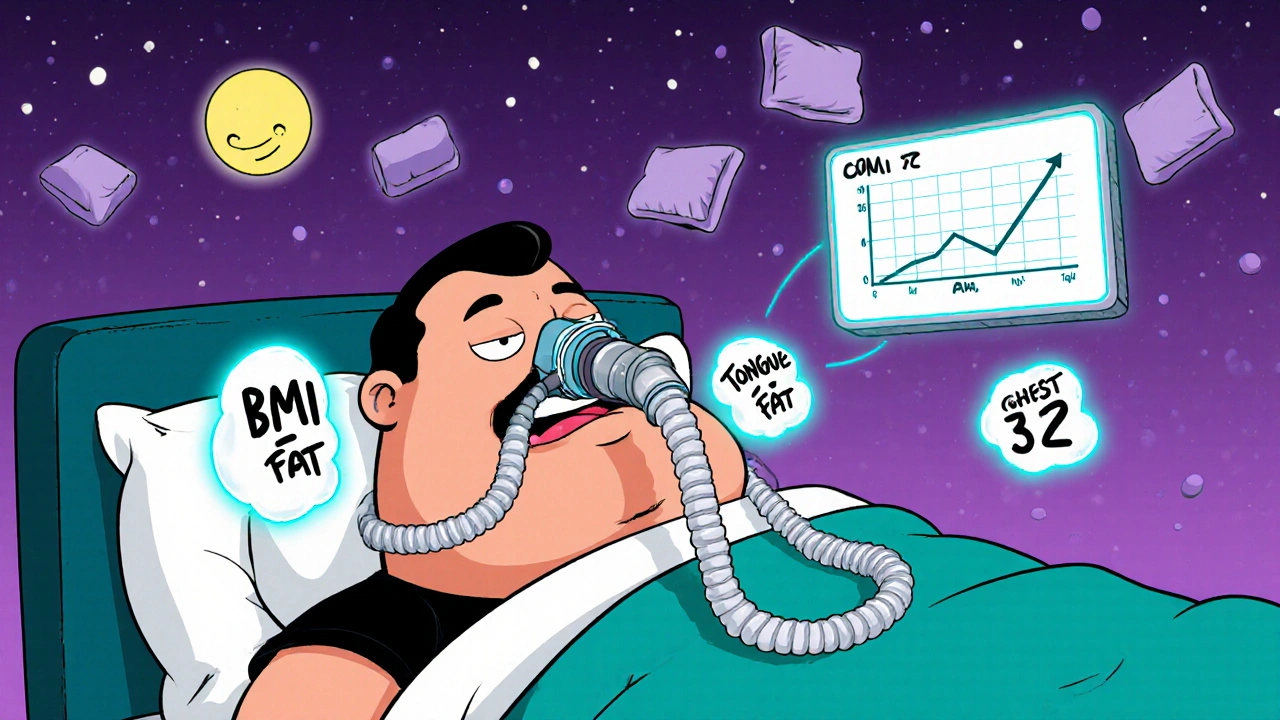
Weight Loss and Sleep Apnea: How BMI Directly Impacts CPAP Pressure Needs
