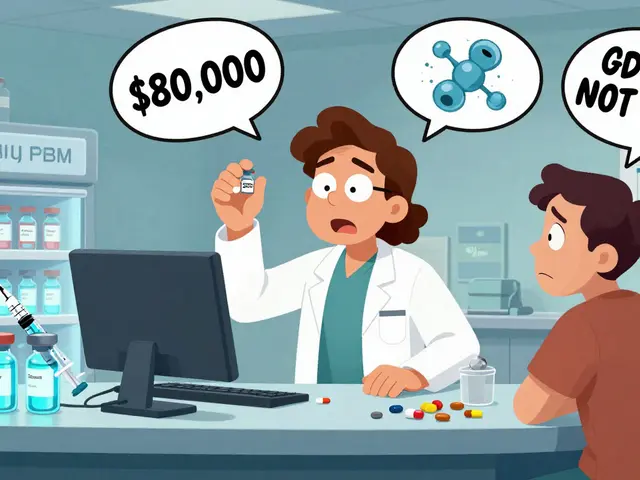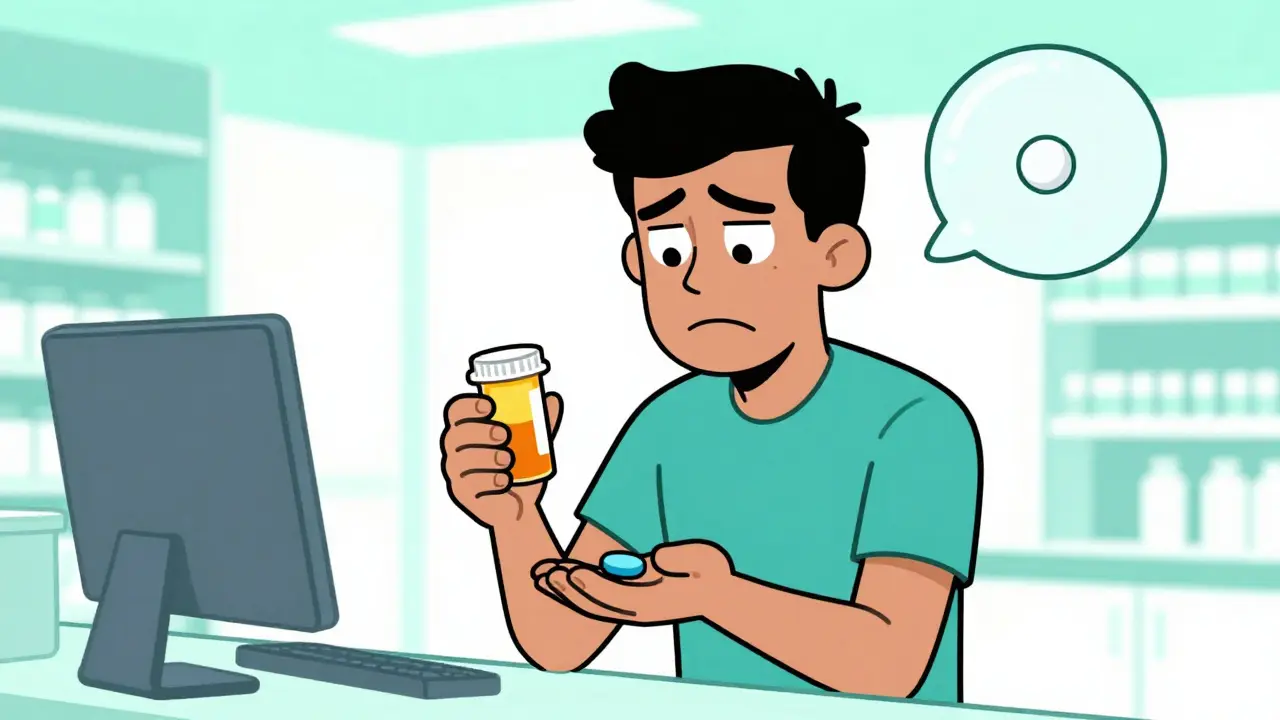
You’ve been taking the same pill for years. You know the color, the shape, and exactly how it makes you feel. Then, one day, your pharmacist hands you a bottle with a different look and a cheaper price tag. For many, this is where the trouble starts. Whether it's a sudden distrust of the new pill's power or simple confusion over a different shape, the switch from a brand-name drug to a generic version often leads to missed doses or stopped treatments.
The reality is that medication adherence during these transitions is a massive hurdle. While generics are designed to be the same as the brands, the human brain doesn't always agree. When patients feel the "new" pill isn't working-even when the chemistry is identical-they stop taking it. This psychological barrier can lead to thousands of avoidable hospitalizations and billions in wasted healthcare costs every year.
The Science Behind the Switch
To understand why a switch is safe, we have to look at how these drugs are made. When a company creates a generic, they aren't guessing. In the U.S., FDA is the federal agency responsible for protecting public health by ensuring the safety, efficacy, and security of human and veterinary drugs. For a generic to be approved, it must prove bioequivalence, which is the property of two pharmaceutical formulations to exhibit the same pharmacokinetic profile in the body. Specifically, the drug must show an 80-125% match in how it reaches its peak concentration in your blood.
If you're wondering why your generic pill is blue while the brand was white, it's because inactive ingredients (fillers, dyes, and binders) can differ. While these don't change how the drug works for most people, they can cause issues for a small minority. For instance, about 3.7% of patients might have an allergic reaction to a specific dye or filler used in a generic version that wasn't in the brand name.
| Feature | Brand-Name Drug | Generic Equivalent |
|---|---|---|
| Active Ingredient | Original Patented Formula | Identical to Brand |
| Inactive Ingredients | Standardized | Can Vary by Manufacturer |
| Appearance (Color/Shape) | Consistent | Often Different |
| Cost | Higher (due to R&D) | Typically 80-85% Lower |
| FDA Approval | New Drug Application (NDA) | Abbreviated NDA (ANDA) |
Why Some Transitions Fail: The Nocebo Effect
Have you ever felt a side effect just because you read about it in a pamphlet? That's the nocebo effect. It's the opposite of the placebo effect; it's when a patient experiences negative symptoms because they *expect* a treatment to be less effective or cause harm. In the world of generics, this is a primary driver of non-adherence.
One striking study showed that when patients were given a placebo but told it was a generic version of a brand-name drug, they reported 18.3% higher pain levels and were significantly more likely to stop taking the medication entirely. The chemical was the same, but the label changed their perception of the result. This explains why some people feel "the generic just doesn't work as well," even when clinical data proves it does.
High-Risk Medications: When Accuracy is Everything
While most switches are seamless, some drugs have what's called a Narrow Therapeutic Index. These are medications where a tiny change in the dose or absorption rate can be the difference between a working treatment and a medical emergency. Examples include warfarin (a blood thinner) and levothyroxine (for thyroid issues).
For these specific drugs, even the small variability allowed by the FDA can be meaningful. Some patients may experience breakthrough symptoms after switching. If you are on a critical medication for a seizure disorder or a heart condition, it's worth asking your doctor if you should stick to a single manufacturer's version of the generic to avoid "batch-to-batch" inconsistency.
Practical Strategies for a Seamless Switch
Making the move to a generic doesn't have to be a gamble. Whether you are a patient or a caregiver, a few simple habits can prevent the confusion that leads to missed doses.
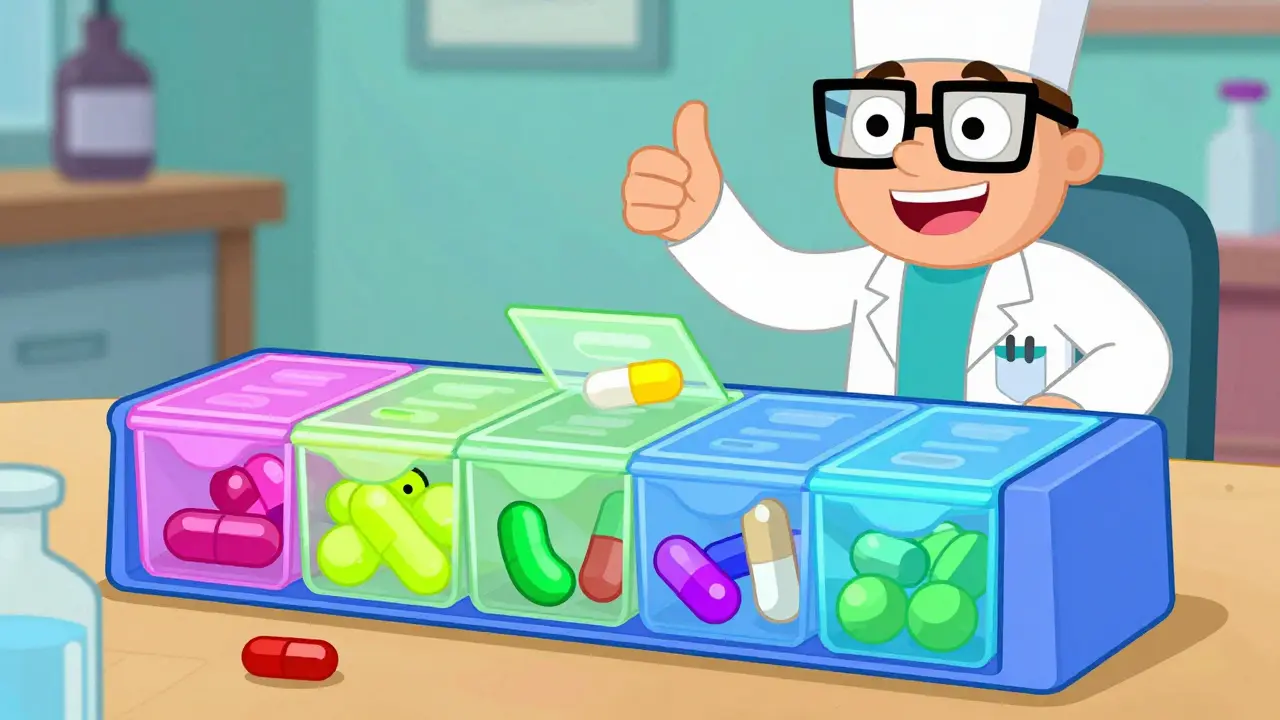
- Use a Pill Organizer: This is the gold standard for elderly patients. When the pill changes from a small round white tablet to an oval yellow one, a labeled organizer removes the guesswork and prevents the "Is this the right pill?" panic.
- Request "Same-Manufacturer" Generics: If you find a generic that works well for you, ask your pharmacist to keep you on that specific manufacturer. This prevents the drug from changing appearance and formulation every time you refill.
- The 72-Hour Check-In: If you're a healthcare provider, a simple follow-up call within three days of a switch can increase adherence by 31%. Just asking, "How are you feeling with the new version?" can resolve fears before they lead to discontinuation.
- Verify the Cost Benefit: For many, the financial relief is a huge motivator. For example, those taking statins for cholesterol often see better adherence with generics simply because the lower cost makes it easier to stay consistent.
The Role of the Pharmacist in the Transition
Your pharmacist is the last line of defense. Unfortunately, many transitions happen too quickly. A quality transition conversation should take at least a few minutes and cover four specific things: why the drug is bioequivalent, why the pill looks different, how much money you're saving, and a genuine invitation for you to voice your concerns.
If you feel rushed at the counter, don't be afraid to ask for a moment. Understanding that the active ingredient is identical-but the "packaging" (the pill's shell) is different-can stop the nocebo effect in its tracks. When patients are confident in the FDA's high standards, they are far more likely to stick to their regimen.
Are generic drugs actually as effective as brand-name drugs?
Yes. To be approved, generics must demonstrate bioequivalence to the brand-name drug, meaning they have the same active ingredient, strength, and dosage form, and work in the body in the same way. The FDA requires that the absorption rate be within a very tight range (80-125%) of the brand name.
Why does my generic pill look different from the brand name?
Generic manufacturers use different inactive ingredients, such as dyes, binders, and fillers. While these don't change the medicine's effectiveness, they result in different colors, shapes, and sizes. This is a common source of confusion, especially for elderly patients.
Can I have an allergic reaction to a generic if I was fine with the brand?
It is possible. While the active ingredient is the same, the inactive fillers and dyes vary. Some patients may be sensitive to a specific dye or preservative used by a generic manufacturer that wasn't present in the brand-name version.
What should I do if I feel the generic isn't working as well?
First, document your symptoms specifically. Then, contact your doctor to determine if it is a pharmacological issue or a nocebo effect. For narrow therapeutic index drugs, your doctor may decide to switch you back to the brand or a specific generic manufacturer.
Do all medications switch to generics safely?
Most do, but "Narrow Therapeutic Index" drugs (like certain blood thinners or thyroid meds) require more caution. In these cases, even small variations in absorption can affect health outcomes, and a closer medical transition plan is recommended.
Next Steps for Patients and Caregivers
If you are about to switch to a generic, start by asking your pharmacist for the name of the manufacturer. If you are managing medications for a loved one, set up a pill organizer before the first generic dose arrives. If you notice a change in how you feel, don't just stop the medication-call your provider immediately to discuss whether a different generic version or the original brand is necessary for your specific chemistry.